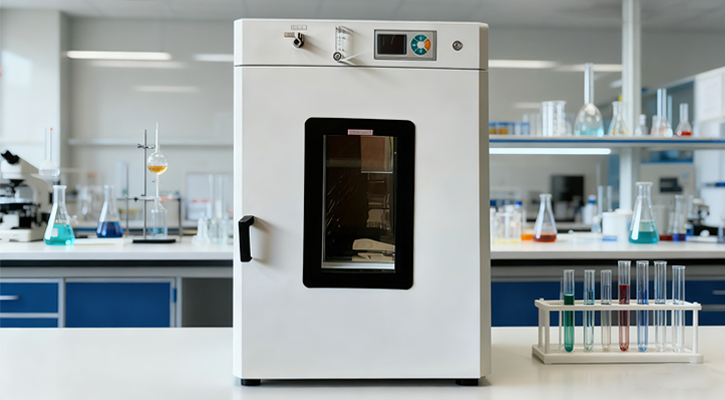
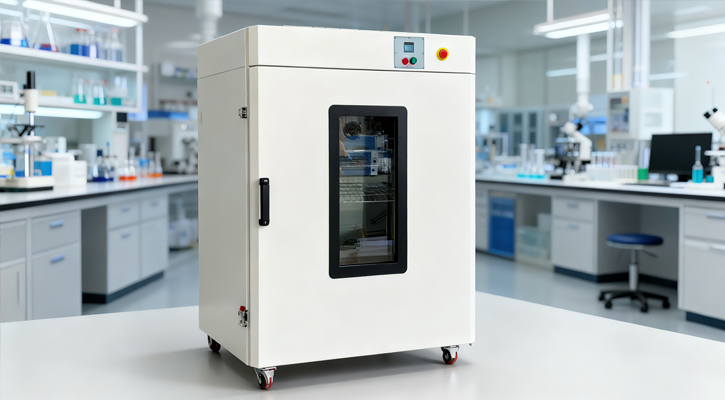
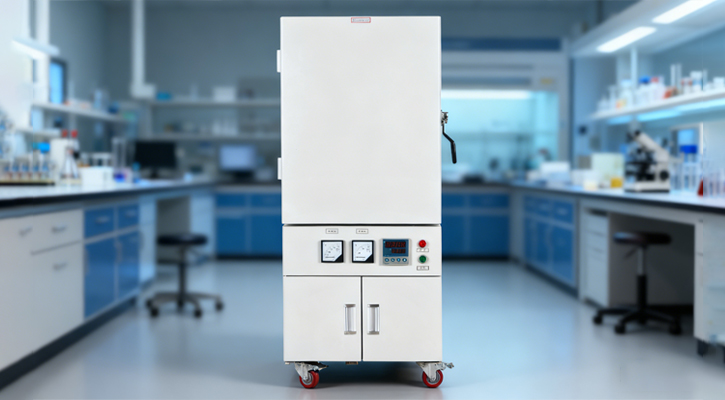
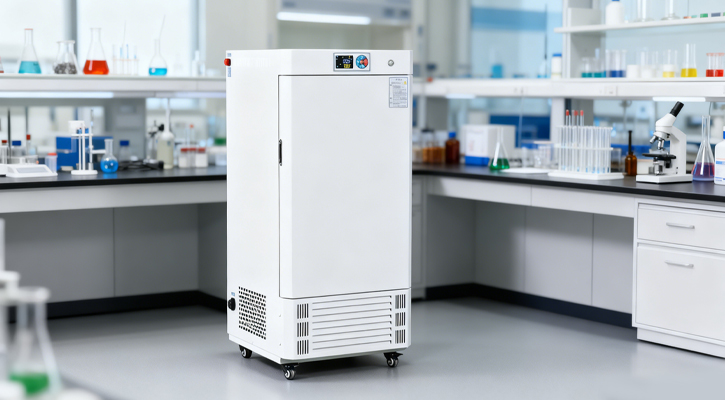
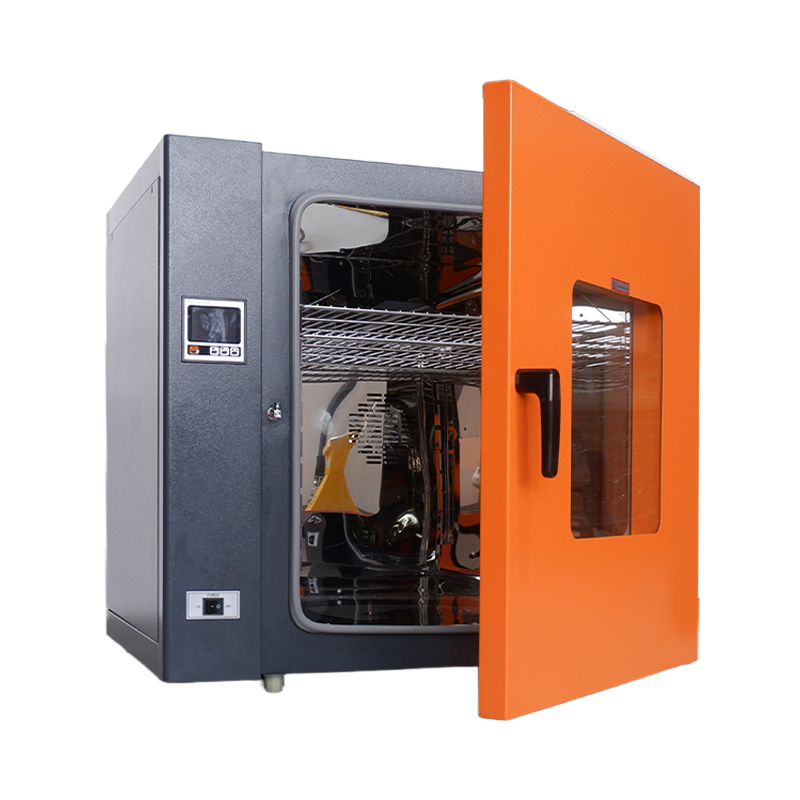
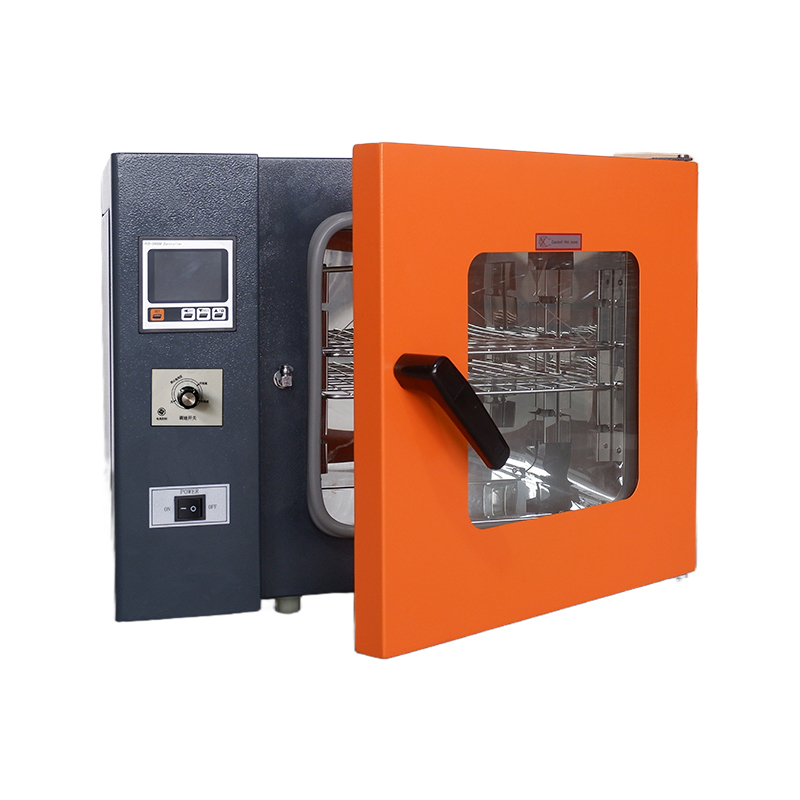
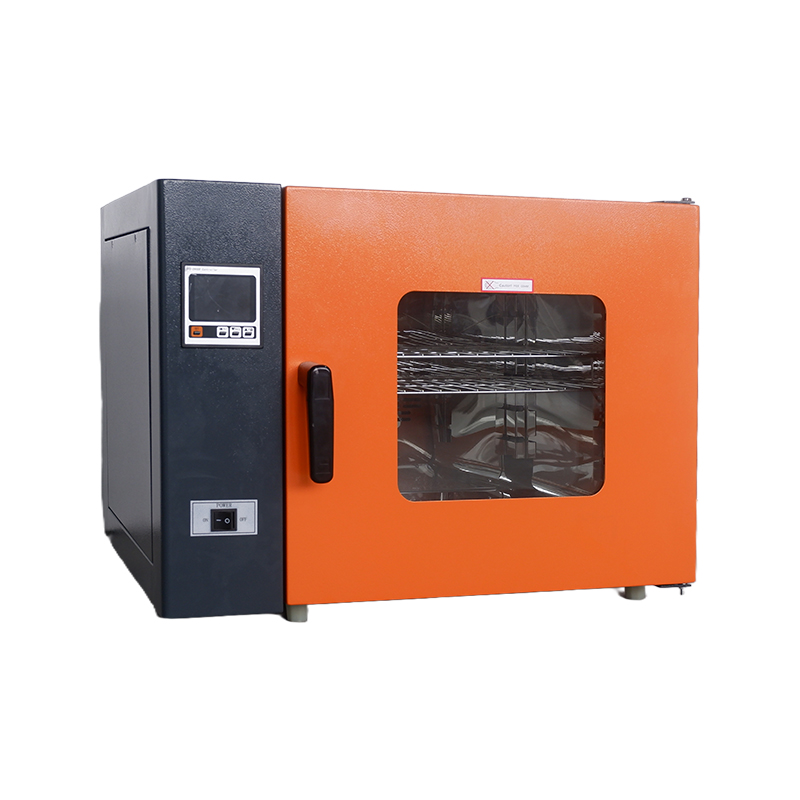
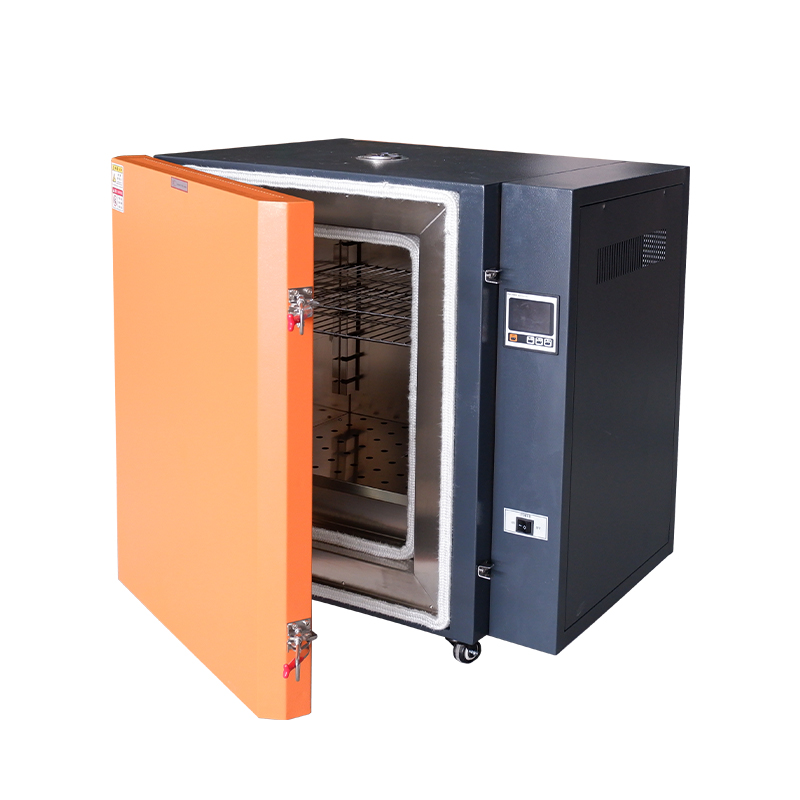
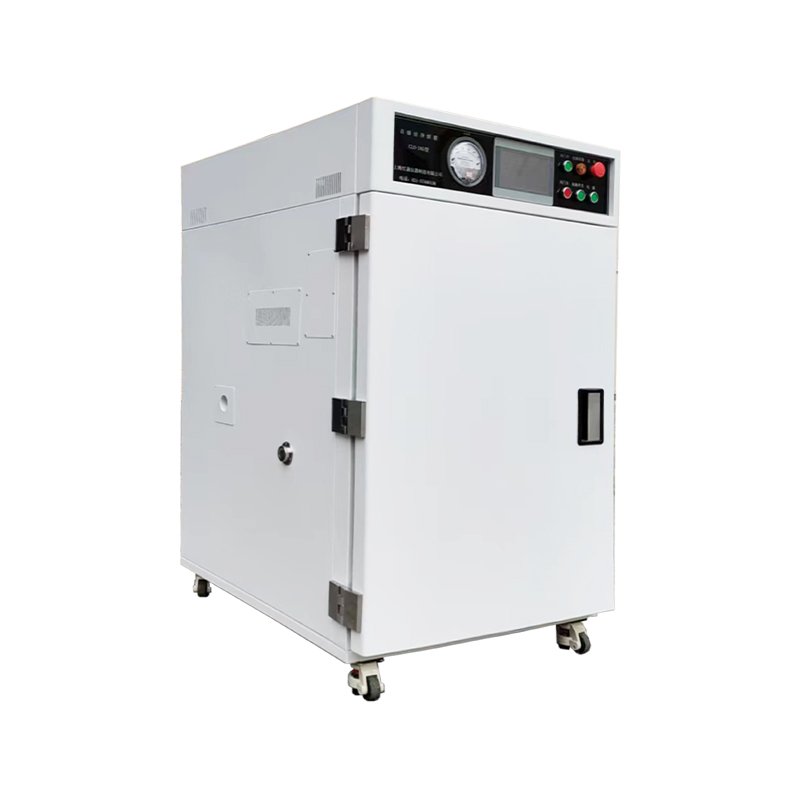
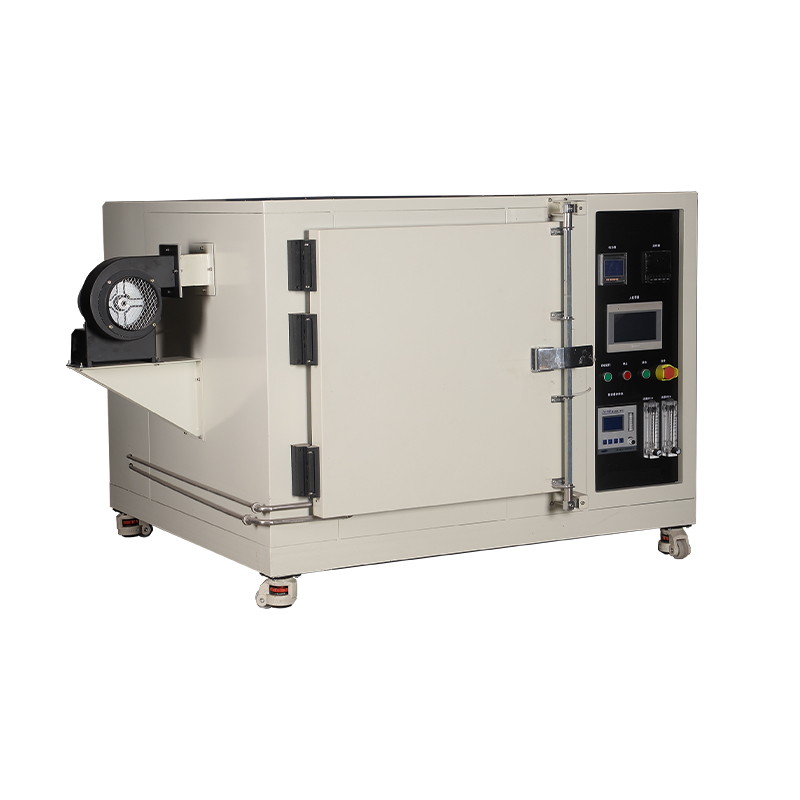
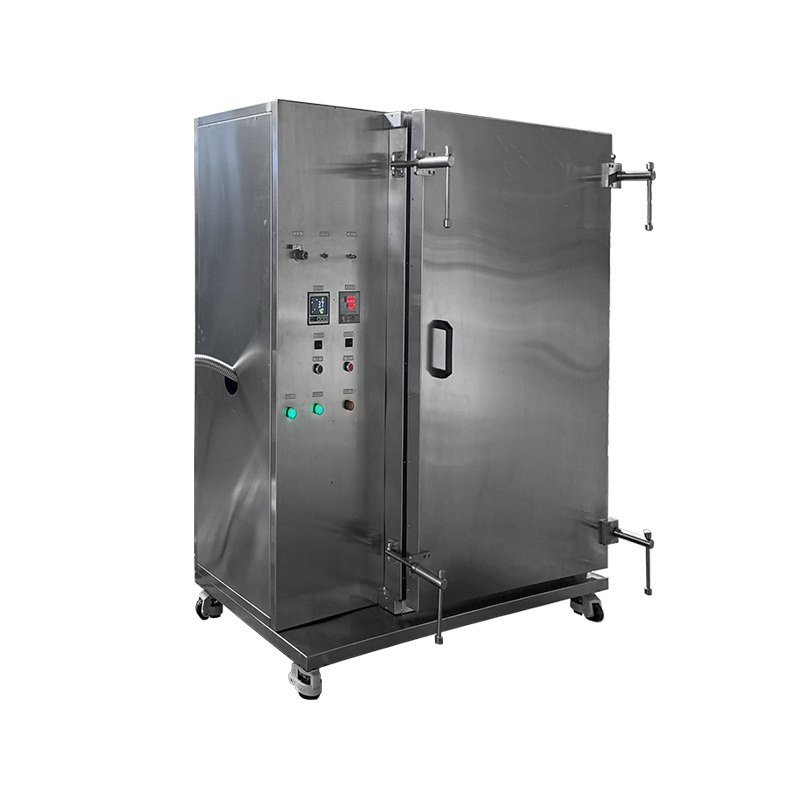
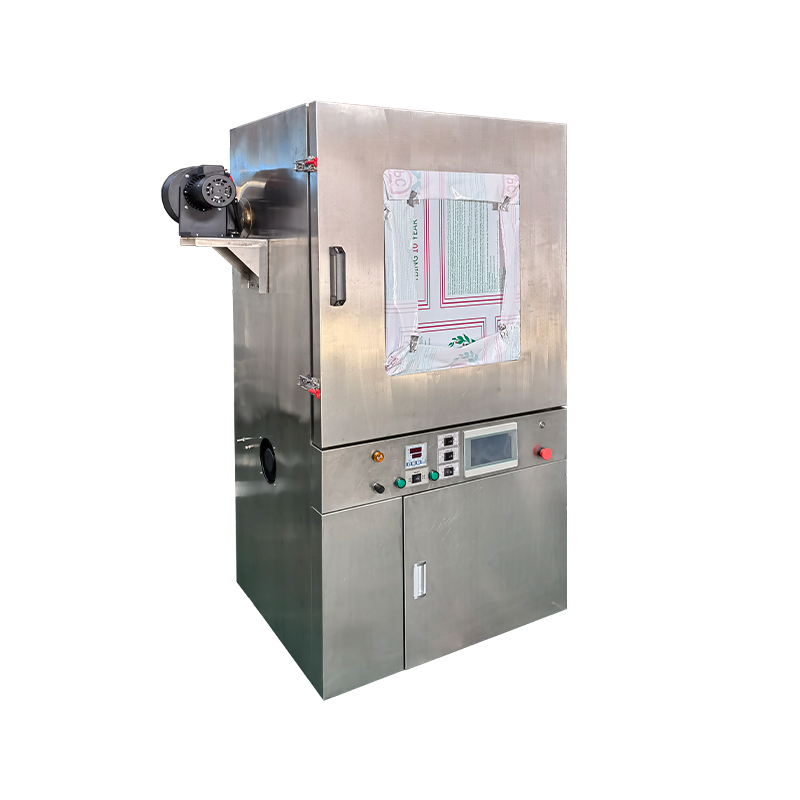
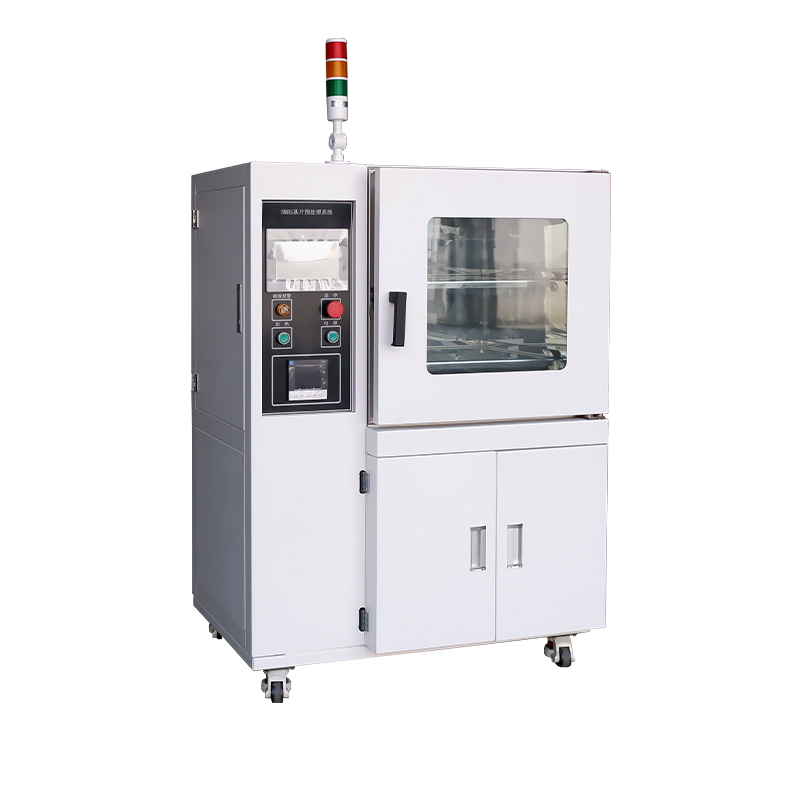
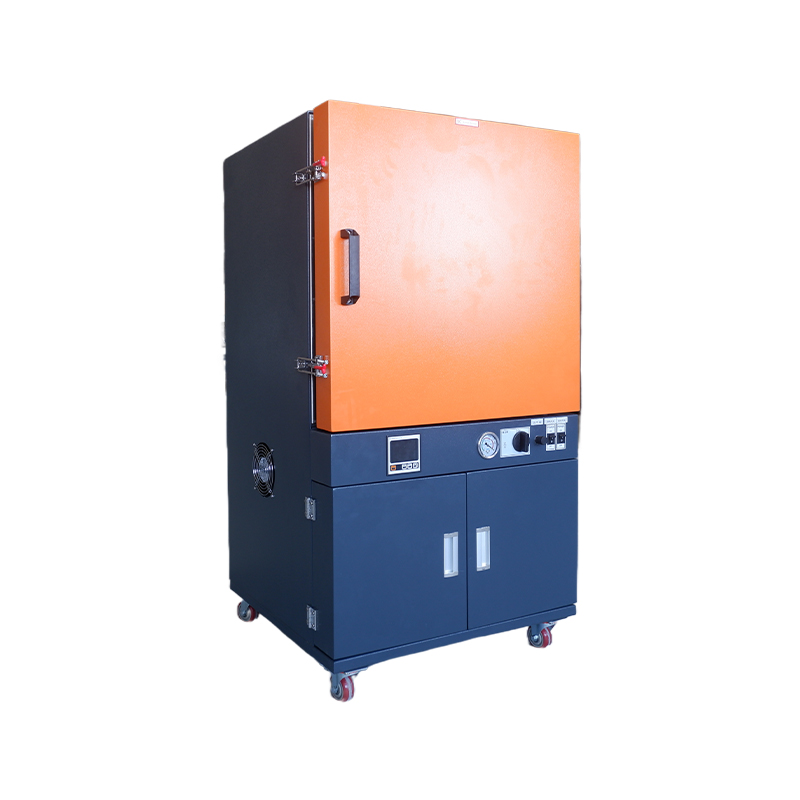
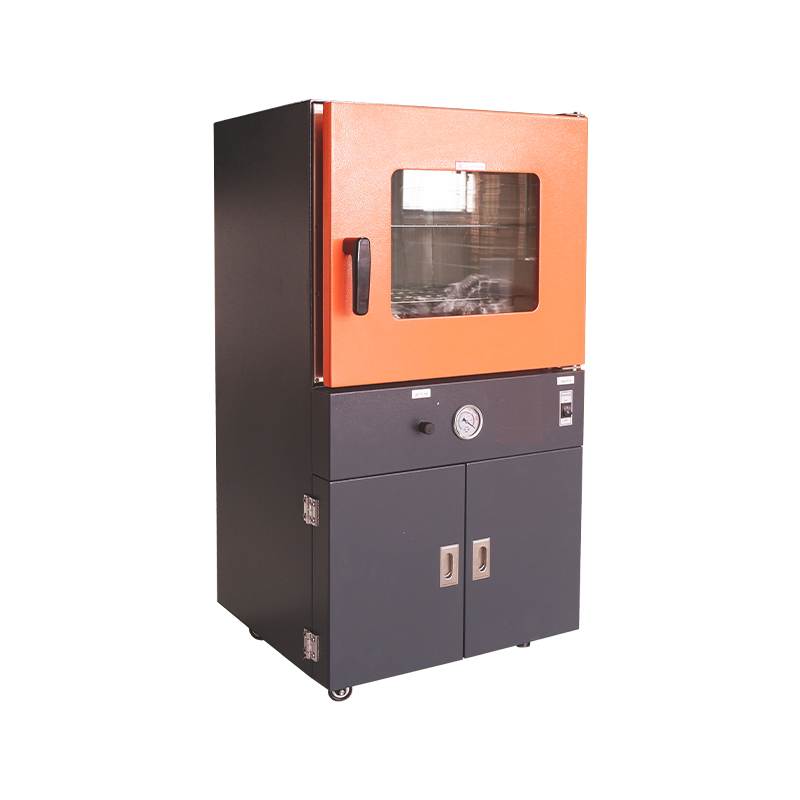
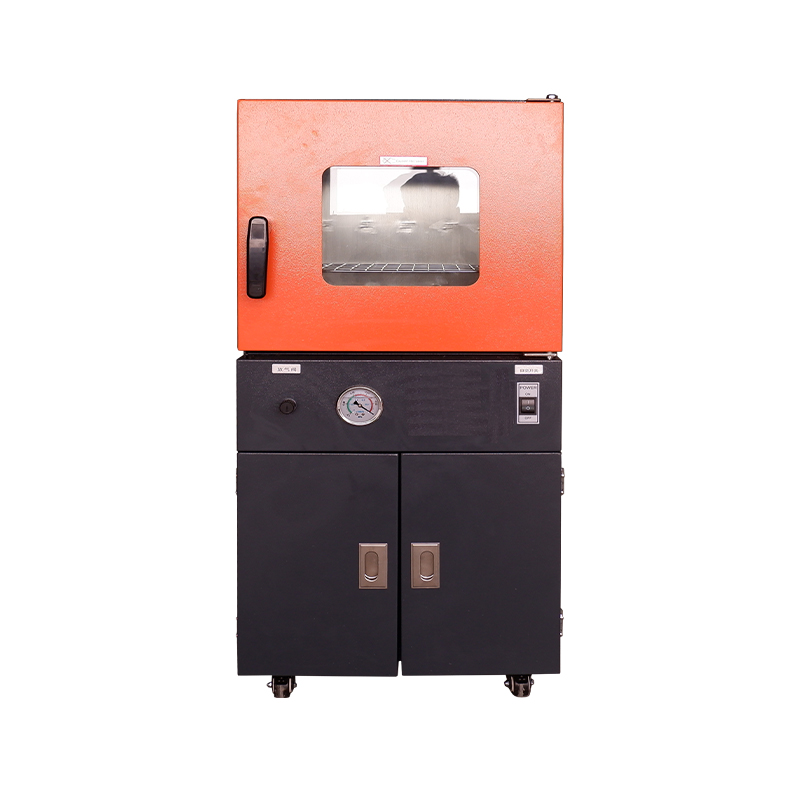
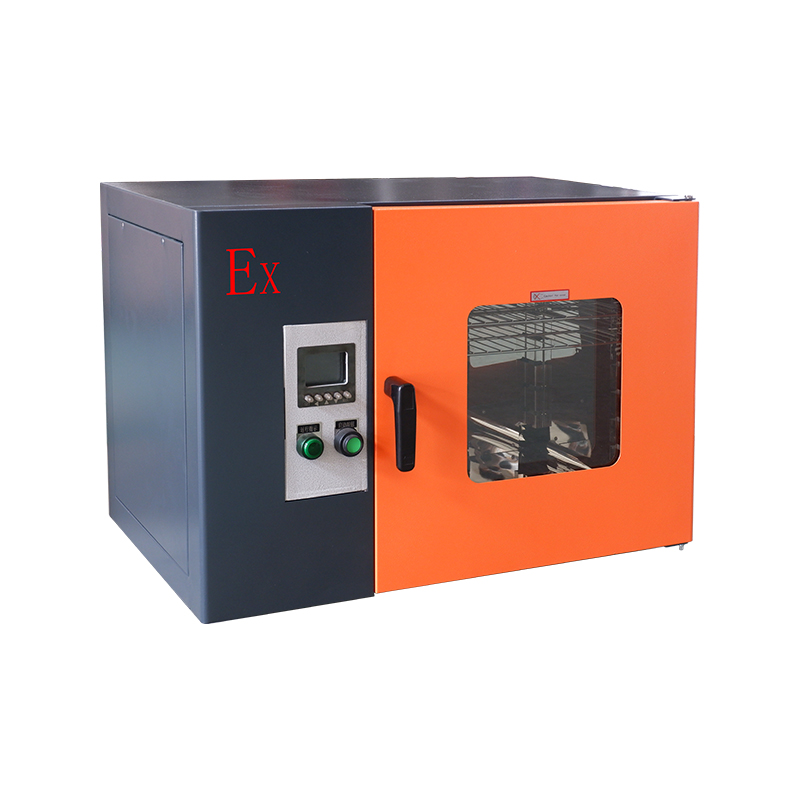
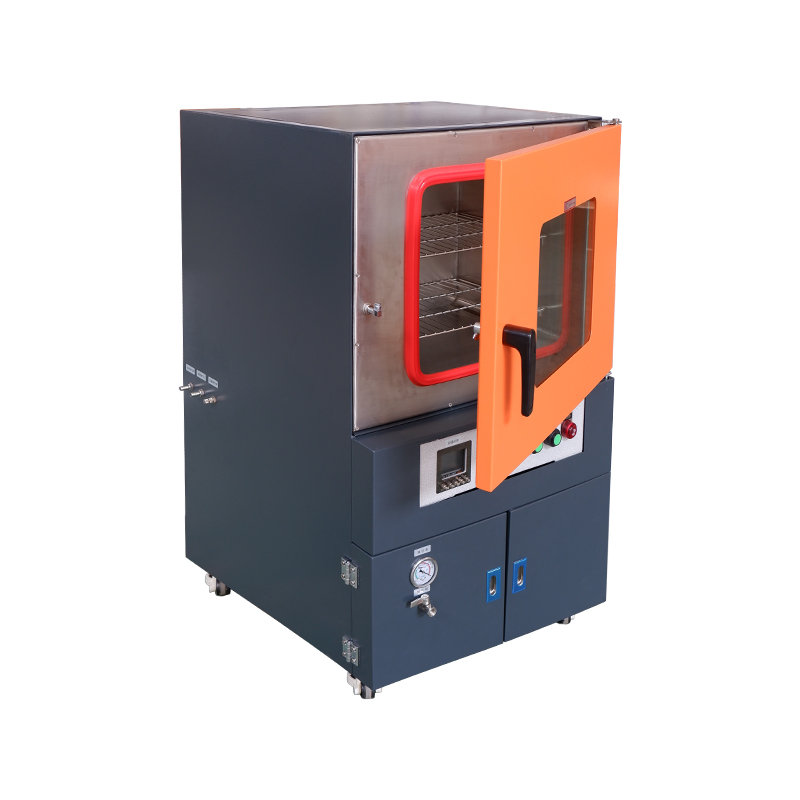
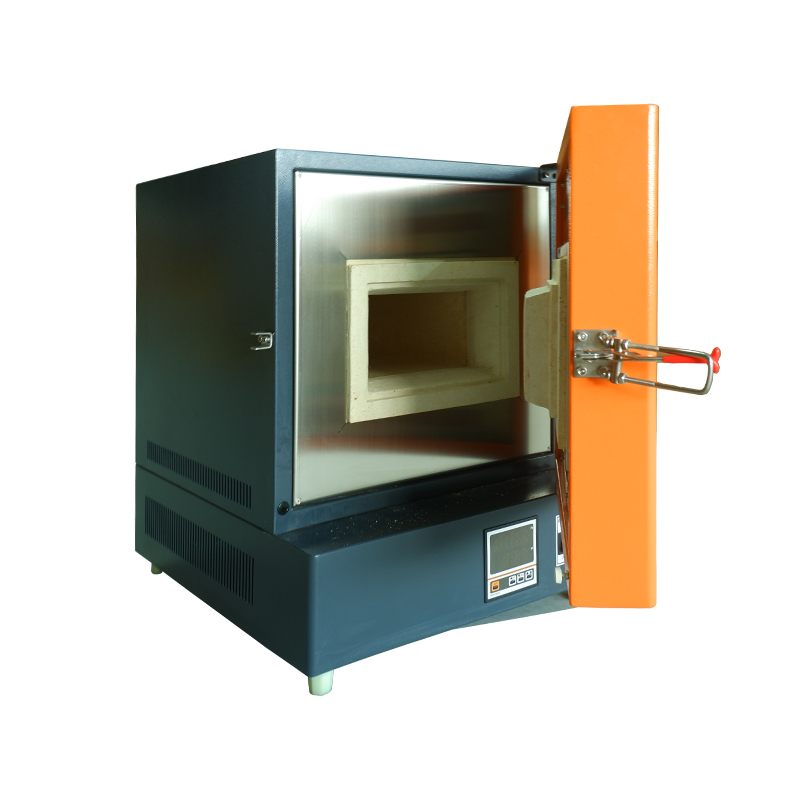
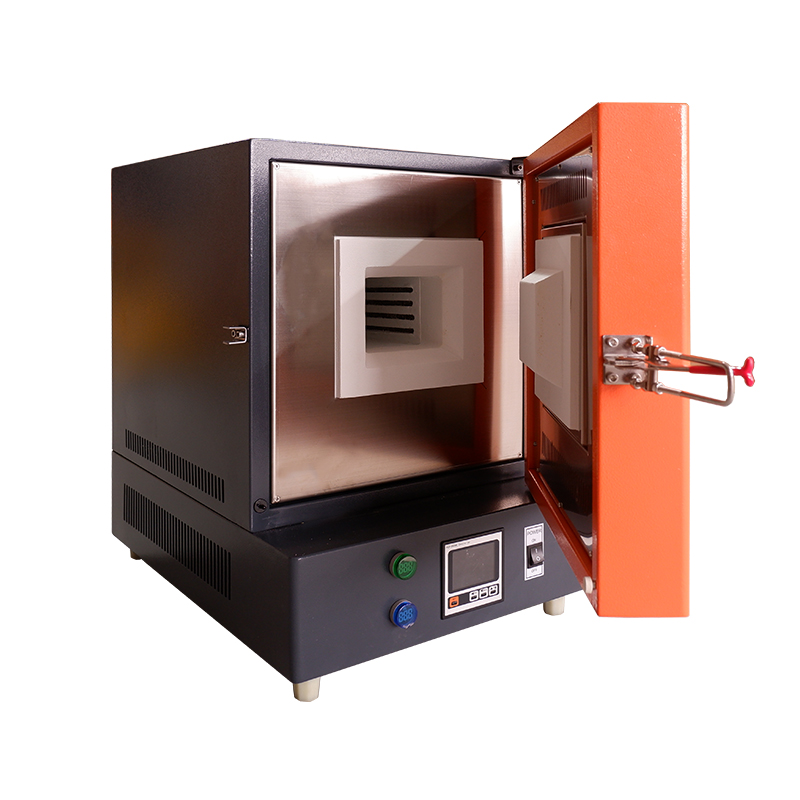
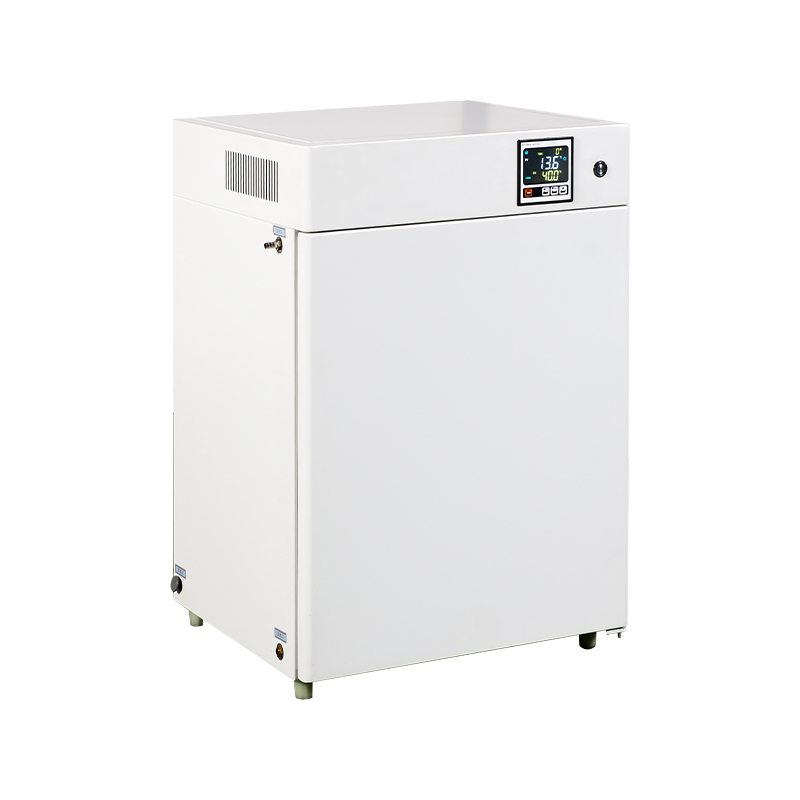
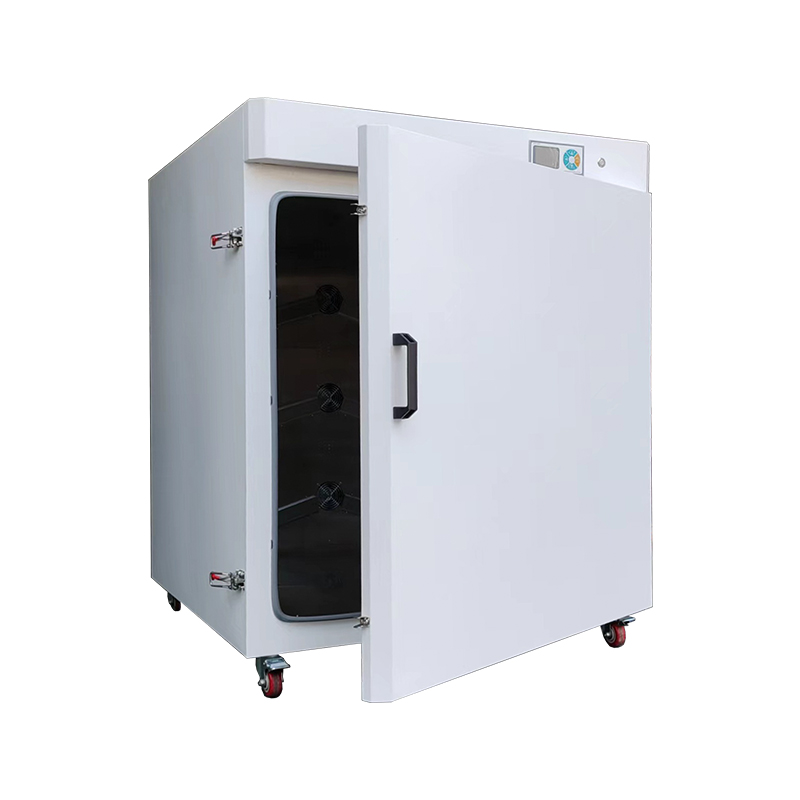
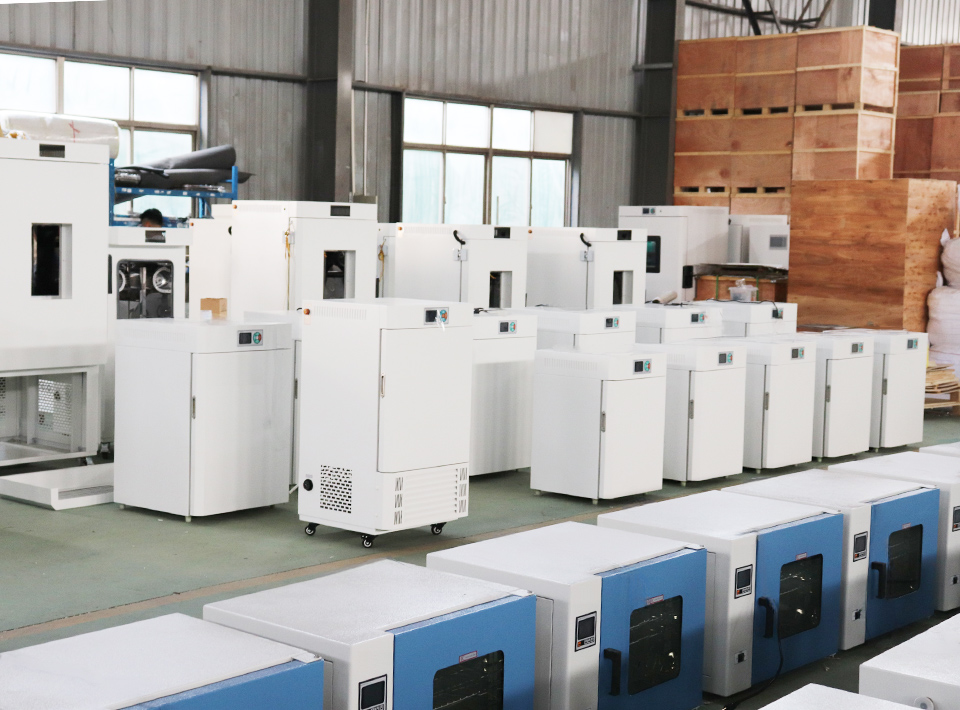
The Dengsheng Instruments drying oven boasts a wide operating temperature range, from 250℃ to 600℃, flexibly adapting to the demanding industrial and scientific research processes, from basic baking to high-temperature annealing. The equipment utilizes precision electric heating tubes to generate a highly stable and uniform heat source, which is then driven by a high-efficiency centrifugal fan to create a controlled and continuous turbulent airflow within the chamber. This dynamic circulation ensures extremely uniform heat distribution, enabling precise and repeatable control over material heating, dehydration, curing, and heat treatment processes. Its applications have penetrated numerous fields, including the synthesis and testing of new materials, the preparation of biological agents and pharmaceutical research and development, precision chemical synthesis, dust-free baking of electronic components, and the safety analysis of food components. To handle materials extremely sensitive to oxidation, the drying oven can be integrated with a professional nitrogen purging system. This system continuously injects high-purity nitrogen to effectively replace and remove reactive gases (such as oxygen) within the chamber, creating a low-oxygen, high-cleanliness, and highly uniform temperature inert atmosphere. This innovative configuration greatly suppresses adverse reactions such as oxidation, hydrolysis, denaturation, or degradation that may occur in materials during heating, providing crucial protection for processing high-end metal powders, specialty polymers, precision electronic pastes, and humidity-sensitive biological samples, significantly improving the quality of the final product and the reliability of the process; this drying oven is not only a basic heating device, but also an indispensable core technology platform supporting cutting-edge technological innovation and high-end manufacturing processes.
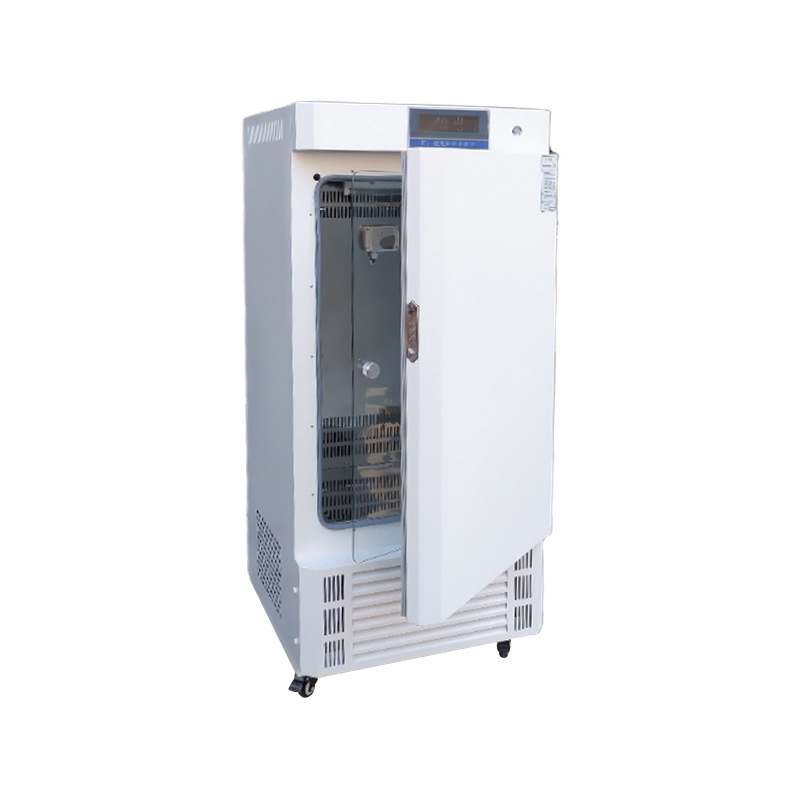
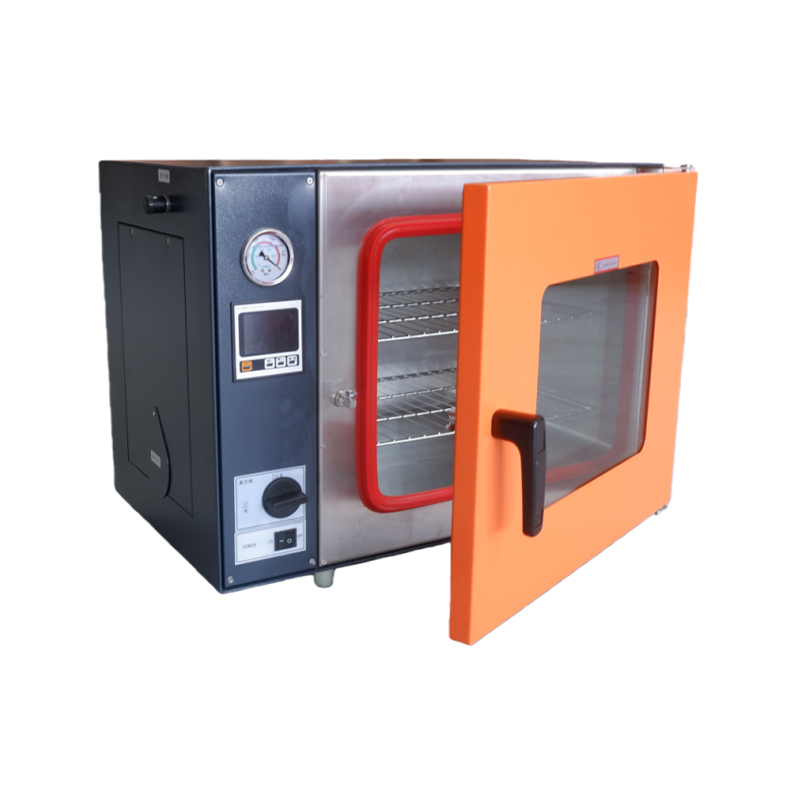
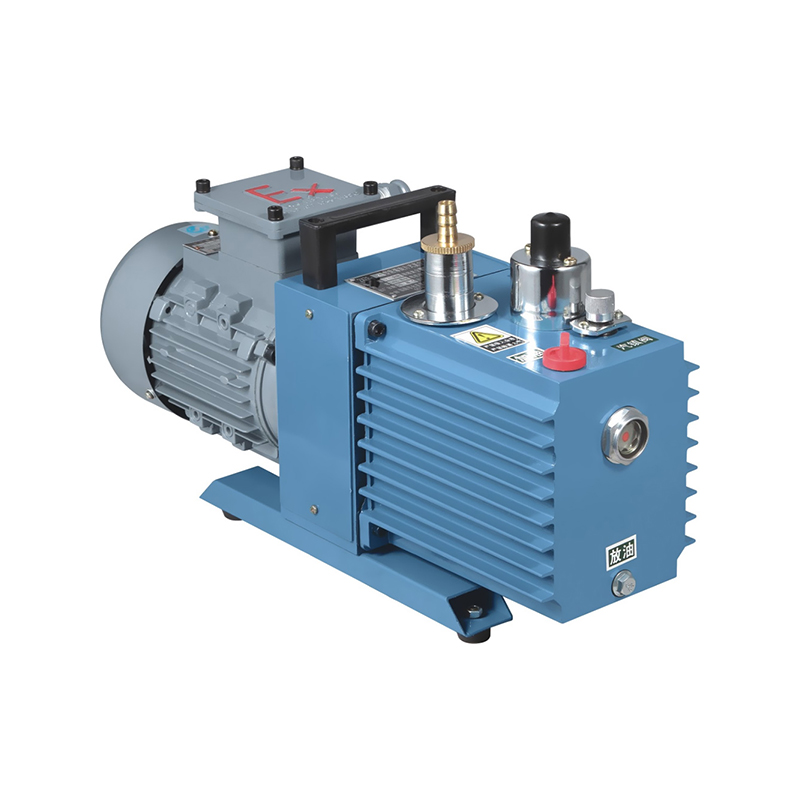
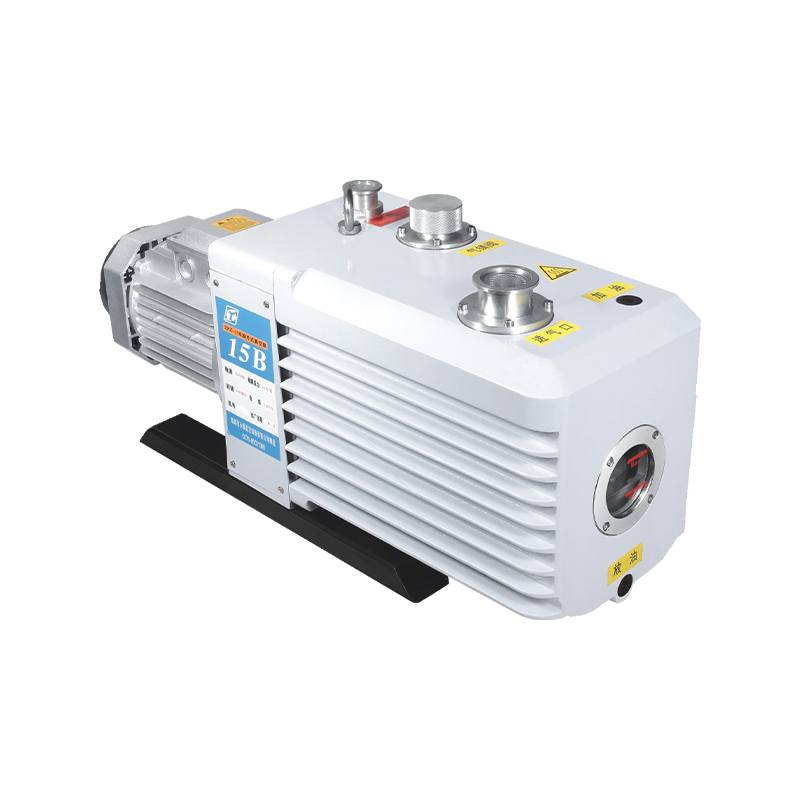
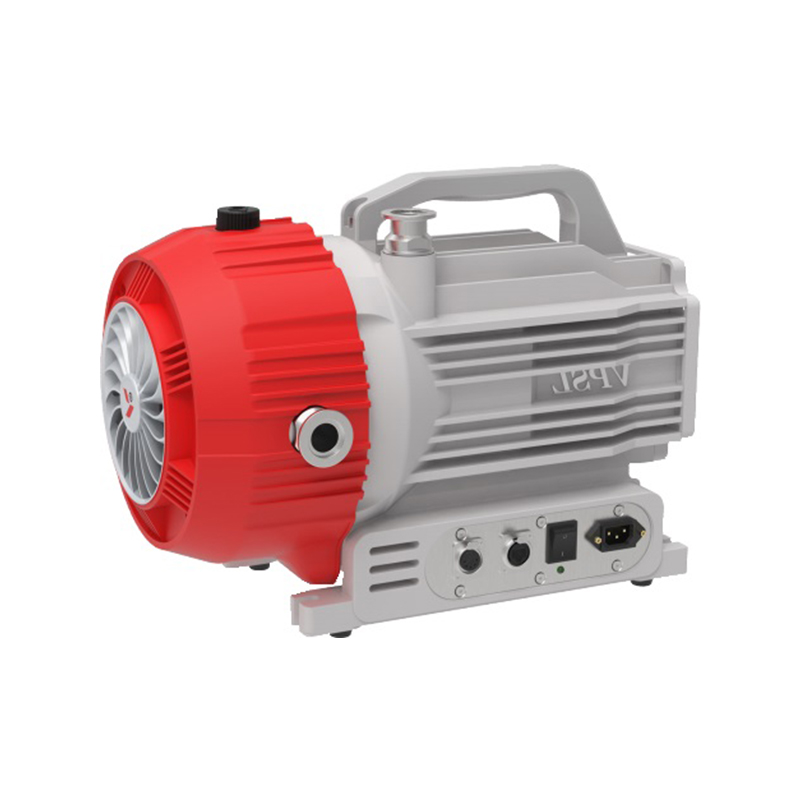
Vacuum drying ovens represent a significant advancement and leap forward in heat treatment technology. They combine precise temperature control with a controllable low-pressure environment, setting a new standard for the processing of high-end materials and sensitive samples. Unlike traditional drying methods, this equipment creates and maintains a high-vacuum environment within a sealed chamber, isolating external air and preventing microbial growth and dust contamination. It is suitable for industries with high hygiene standards, such as pharmaceuticals, semiconductors, new materials, and food. Its core technology lies in the precise and coordinated control of temperature, vacuum, and time. The system provides a stable heat source through electric heating elements, while a high-performance vacuum pump continuously removes gas molecules from the chamber. The low-pressure environment within the chamber offers multiple disruptive advantages: lowering the solvent boiling point, enabling rapid, low-temperature dehydration and drying of heat-sensitive substances at relatively low temperatures, greatly avoiding the risks of thermal degradation and denaturation; and removing active oxygen and other pollutants... This inert gas creates a clean, inert environment, fundamentally and completely inhibiting oxidation, hydrolysis, or other adverse chemical reactions of materials during heating, perfectly preserving the original properties and high purity of the materials. In the preparation of advanced lithium battery materials, it ensures that electrode slurries are uniformly dried and free of impurities. In the pharmaceutical and bioengineering fields, it provides a safe dehydration solution for temperature-sensitive antibiotics, enzyme preparations, and cell products. In the precision electronics and semiconductor industry, it is used to remove trace amounts of moisture and volatile contaminants from microcircuit components. Similarly, in advanced chemical synthesis and nanomaterial research, it is an ideal choice for handling easily oxidized samples and performing precursor heat treatment.
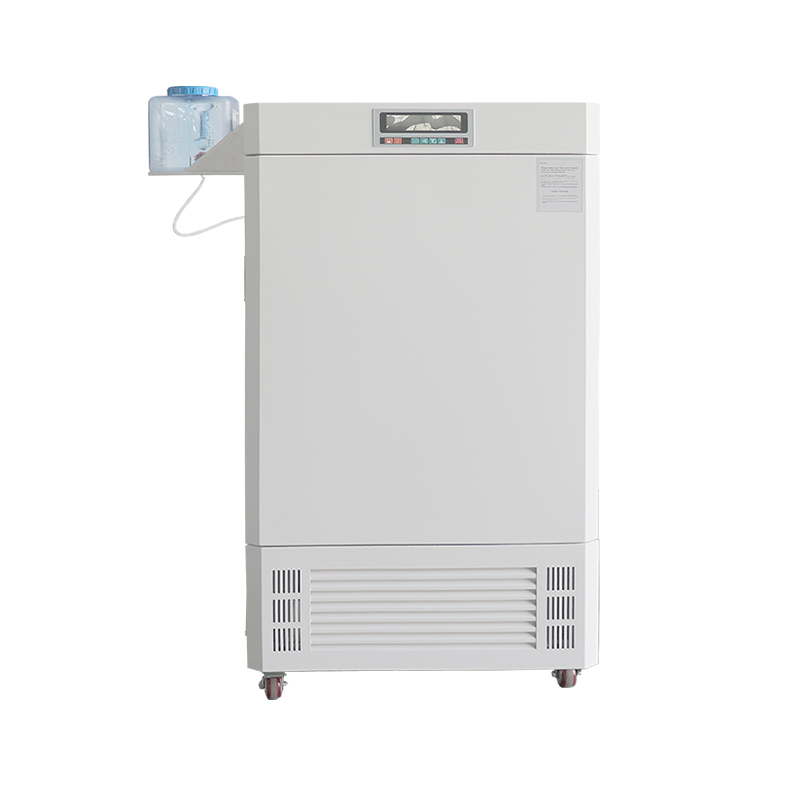
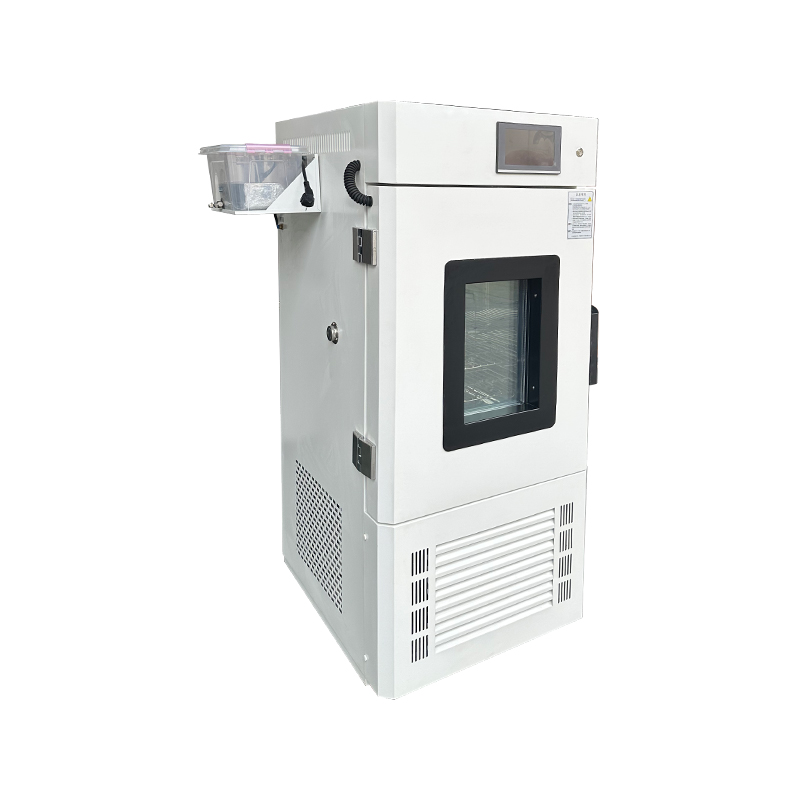
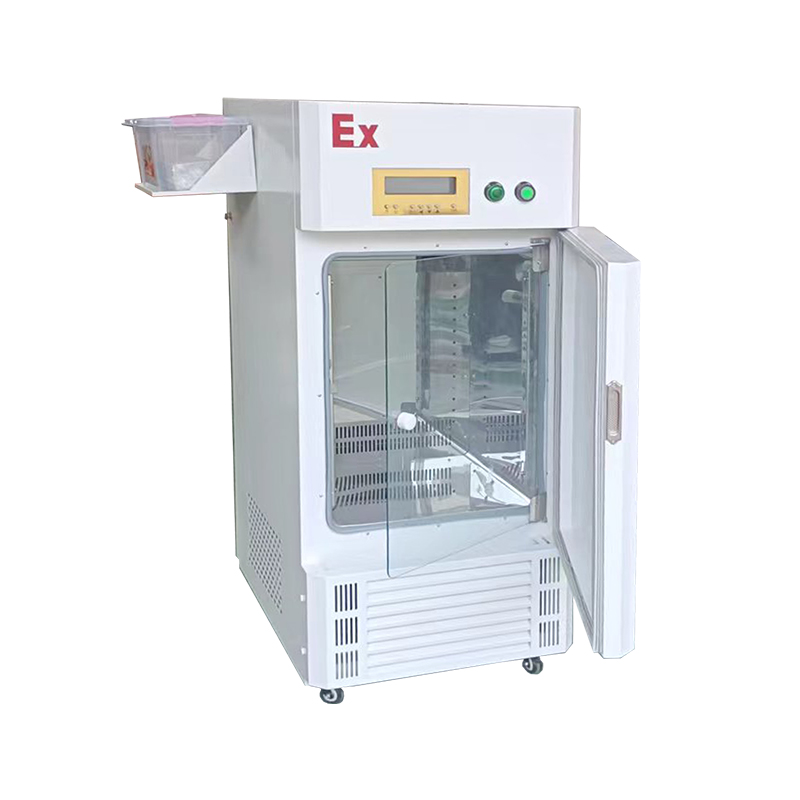
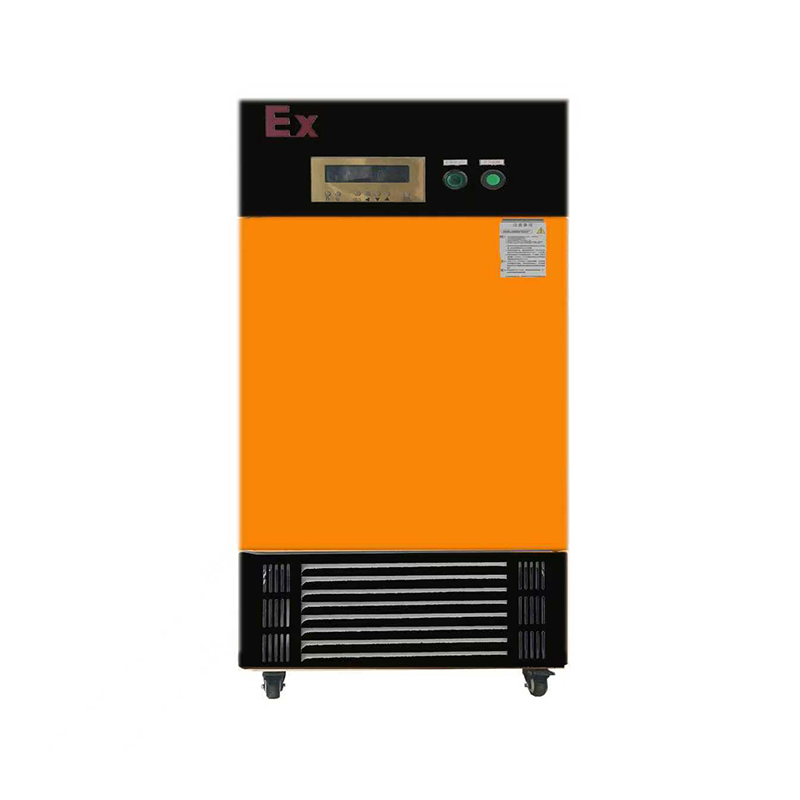
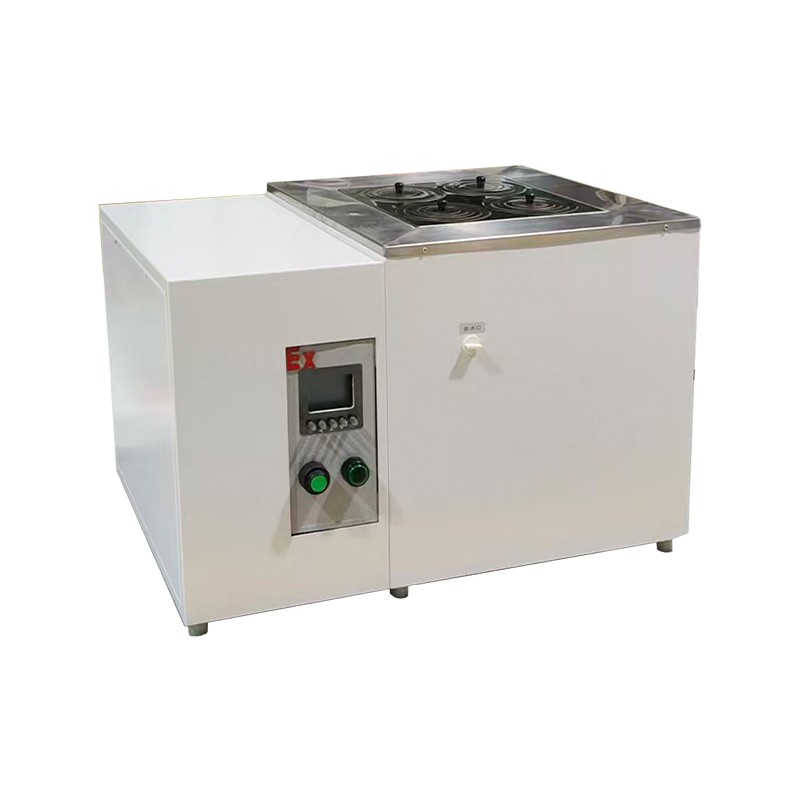
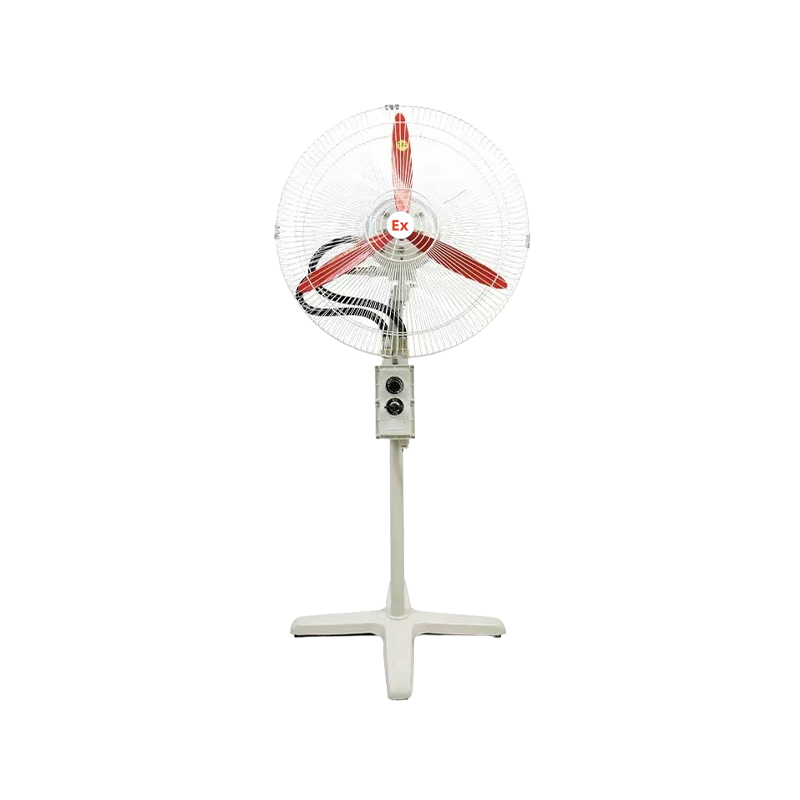
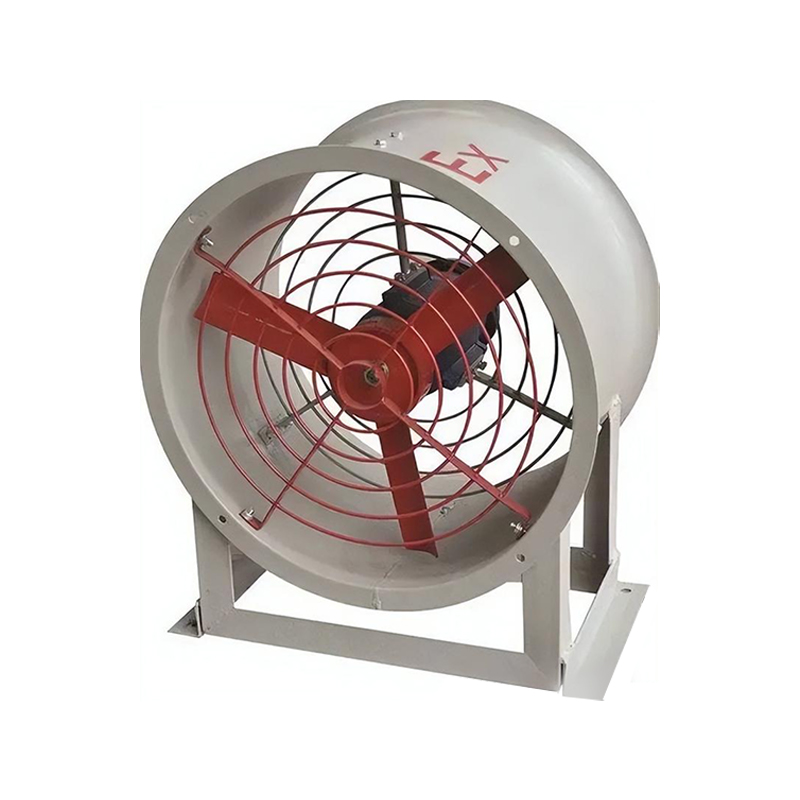
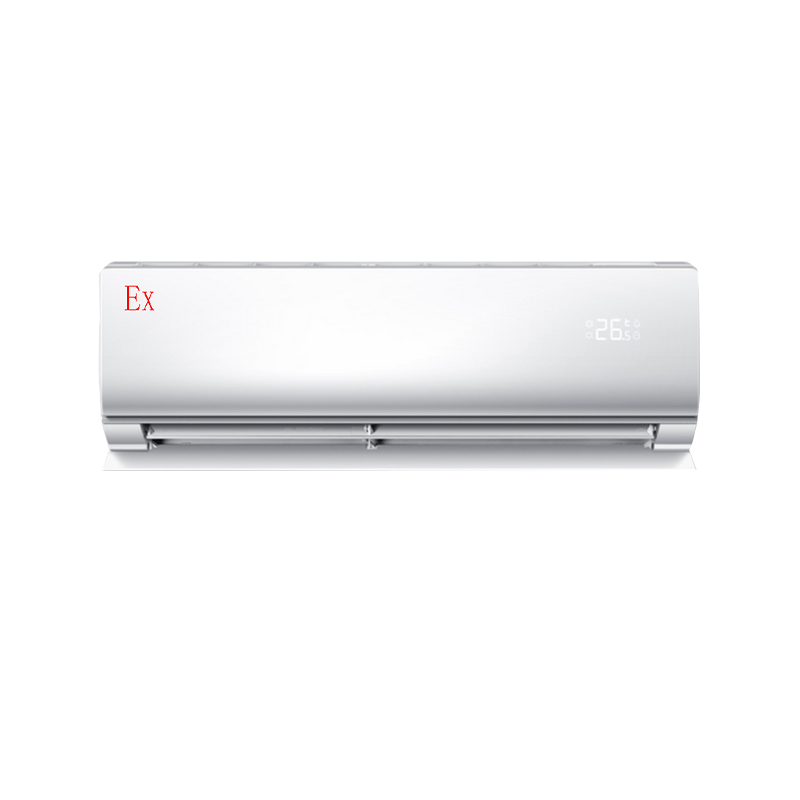
Explosion-proof instruments and equipment are essential products for modern industrial safety systems. They are specifically designed and manufactured for high-risk environments such as chemical, petroleum, military, aerospace, and pharmaceutical industries. Explosion-proof equipment integrates multiple technologies including flameproofing, potting, intrinsic safety, and inerting protection, achieving stable and reliable operation in high-temperature, flammable and explosive gas, or dust environments, fundamentally eliminating the risk of explosion and ensuring the safety of personnel and assets. Its technological foundation is built upon a multi-layered active and passive safety architecture. Key equipment such as drying ovens and test chambers utilize reinforced alloy steel bodies and specially designed sealing components to form a robust explosion-proof enclosure, effectively withstanding and isolating any potential internal arcs or sparks. Furthermore, for equipment like explosion-proof fans and air ventilators… Fans and air conditioners, which drive air circulation and temperature regulation, employ fully enclosed explosion-proof motors and spark-free blade designs to ensure that no electric arcs or static electricity accumulation, which could serve as ignition sources, are generated during continuous operation. Explosion-proof vacuum chambers create a low-pressure environment to remove oxygen, while some models of drying ovens are equipped with positive-pressure nitrogen filling systems that continuously inject inert gas into the chamber, forming and maintaining a slightly positive pressure safety zone higher than the external pressure, thereby physically preventing the infiltration of external flammable gases. Explosion-proof high and low temperature test chambers can absolutely guarantee the safe inertia of the internal environment while simulating extreme temperature conditions. Explosion-proof water baths provide a safe and stable heat source platform for the constant-temperature heating of flammable solvents. All of these devices have passed rigorous international explosion-proof certifications (such as CNAS), and their intelligent control systems integrate temperature sensors, pressure monitors, and fault self-diagnosis protocols, enabling all-weather safety status tracking and early warning. This ensures risk-free and high-precision production processes in critical fields such as petrochemicals, pharmaceutical synthesis, aerospace, military manufacturing, and hazardous chemical storage, even when facing the most complex process challenges. Explosion-proof instruments and equipment are not only environmentally adaptable devices, but also core nodes in modern industrial intelligent safety management and key infrastructure for the "inherent safety" concept.
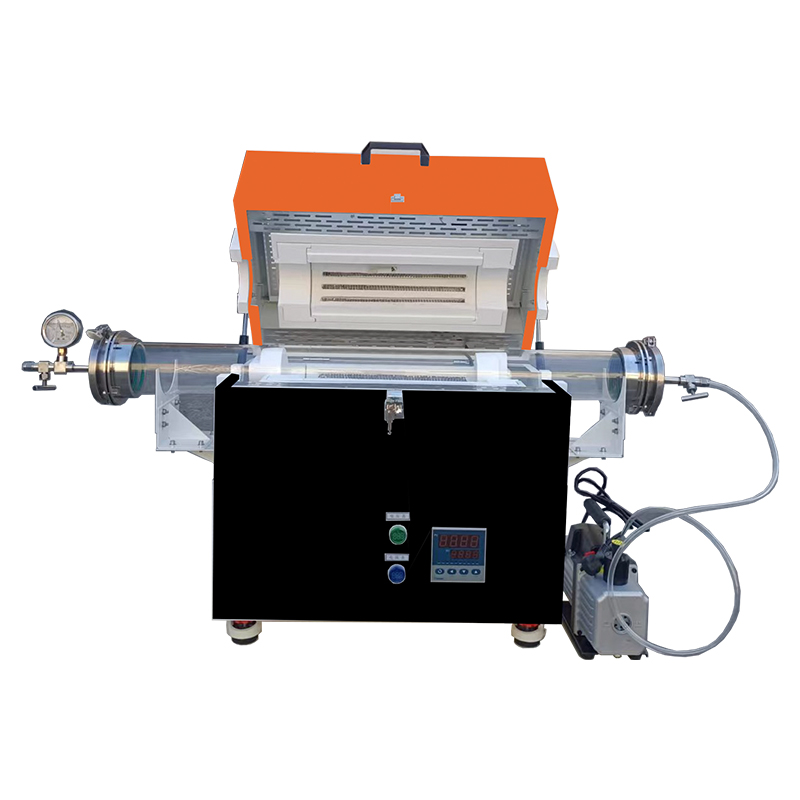
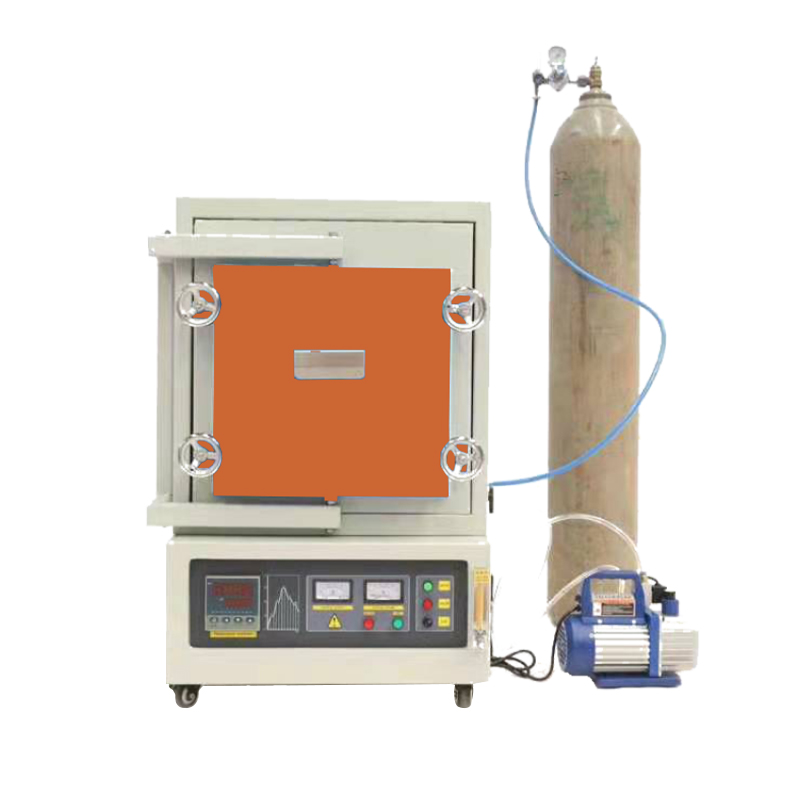
In modern scientific research and high-end manufacturing, box-type resistance furnaces, ceramic fiber muffle furnaces, vacuum tube furnaces, and vacuum atmosphere furnaces collectively constitute key high-temperature processing technology platforms. Box-type resistance furnaces, as general-purpose high-temperature workstations, have become a reliable cornerstone for laboratory material ashing, melting testing, and industrial heat treatment (such as annealing and quenching) due to their wide temperature range and excellent temperature uniformity. Ceramic fiber muffle furnaces utilize advanced insulation materials, achieving rapid heating and excellent thermal efficiency, making them particularly suitable for scenarios requiring frequent heating and cooling and high-efficiency processing, such as new material development, nanotechnology synthesis, and rapid calcination of various samples. For applications with stringent process environment requirements, vacuum tube furnaces provide a sealed, clean, high-temperature environment, effectively preventing oxidation and contamination of materials during heating, and are widely used in precision research such as semiconductor material preparation, ceramic sintering, and chemical vapor deposition. Vacuum atmosphere furnaces combine vacuum technology with controllable atmosphere capabilities, creating a highly controllable chemical environment for the synthesis, sintering, and heat treatment of sensitive materials (such as easily oxidized metals, special alloys, and high-performance ceramics) through the precise introduction of inert or reactive gases. These four types of equipment complement each other, providing indispensable thermal equipment and solutions for numerous technological and industrial breakthroughs, from basic elemental analysis to cutting-edge single crystal growth.
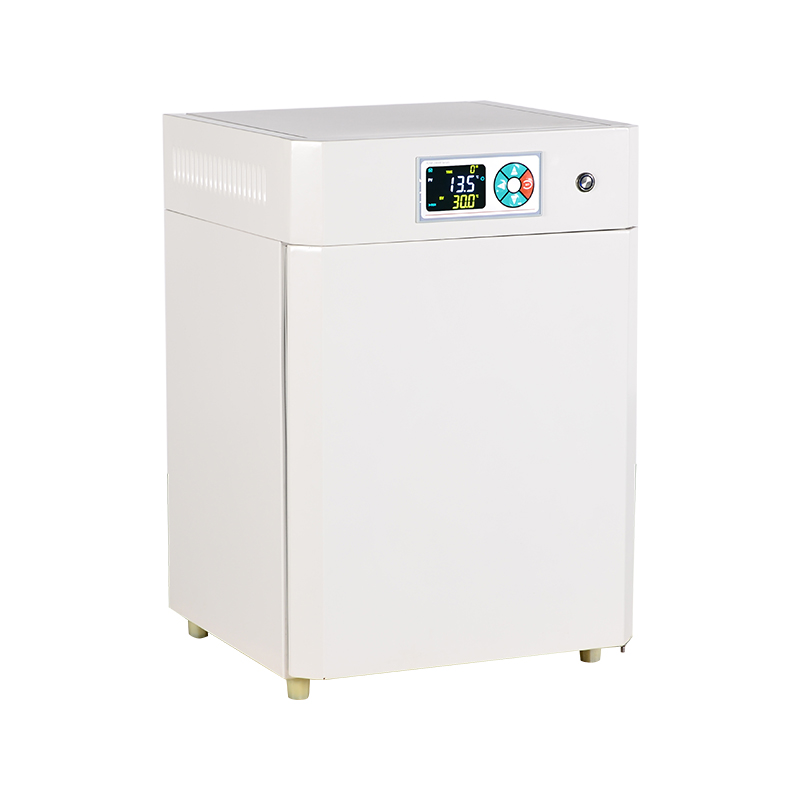
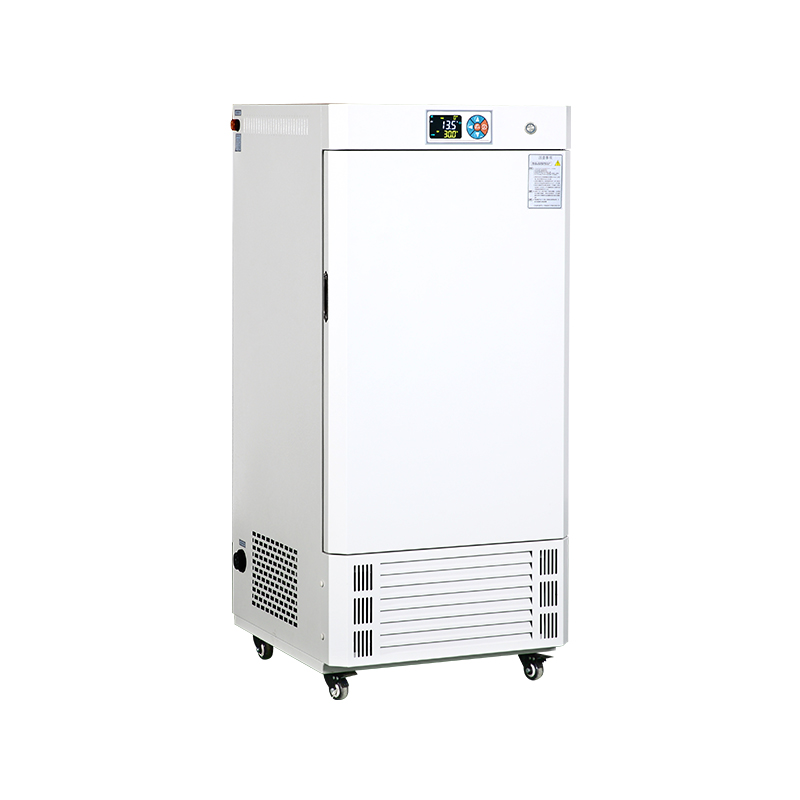
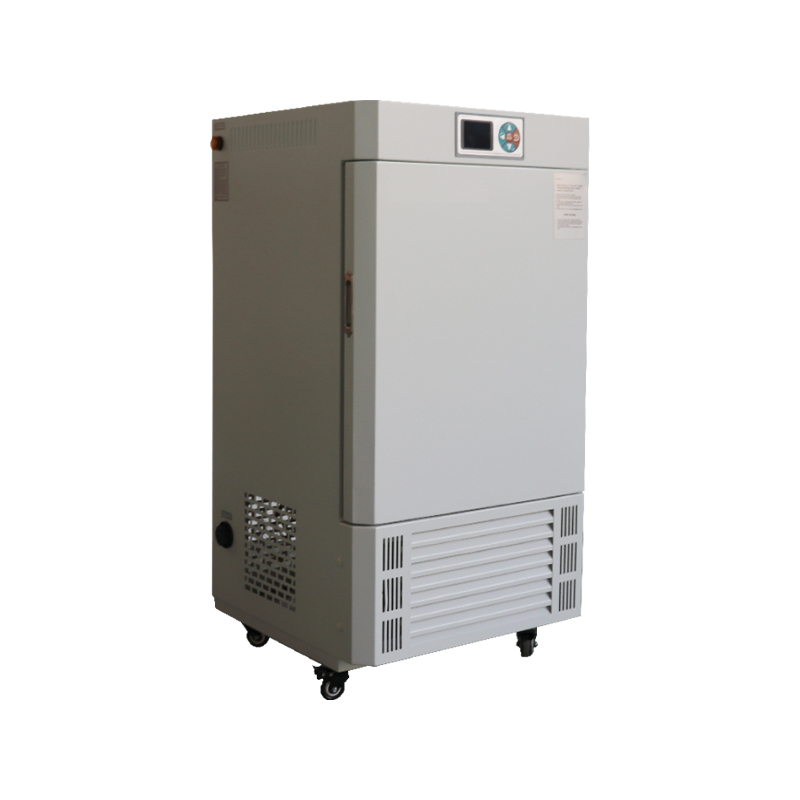
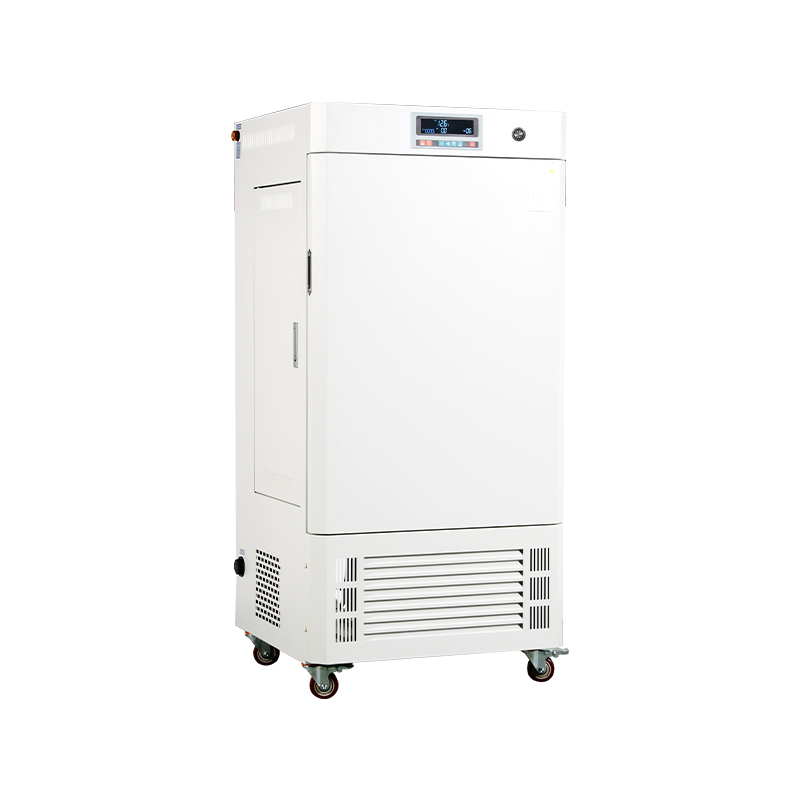
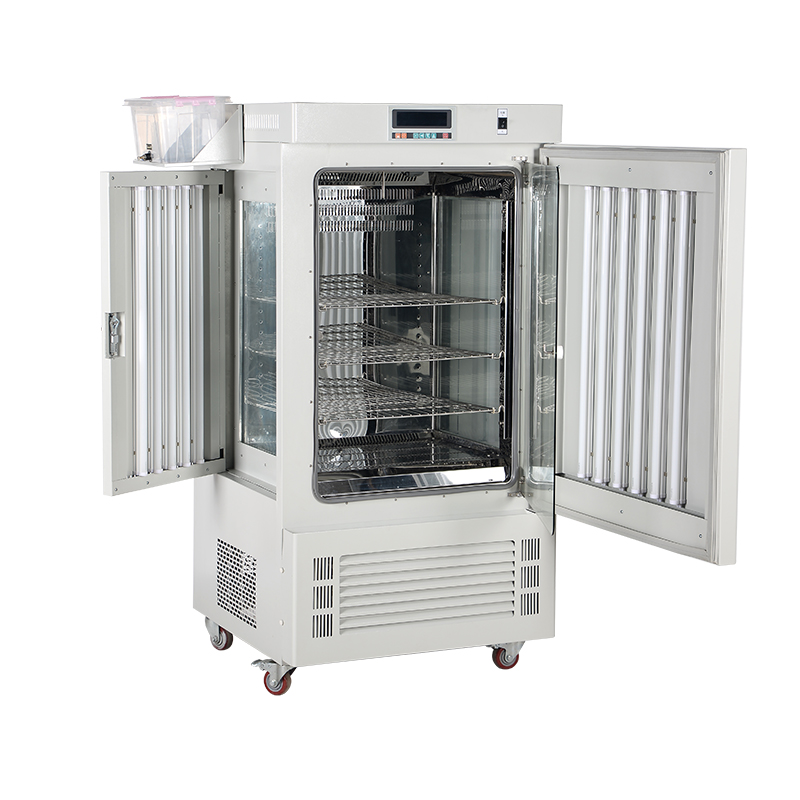
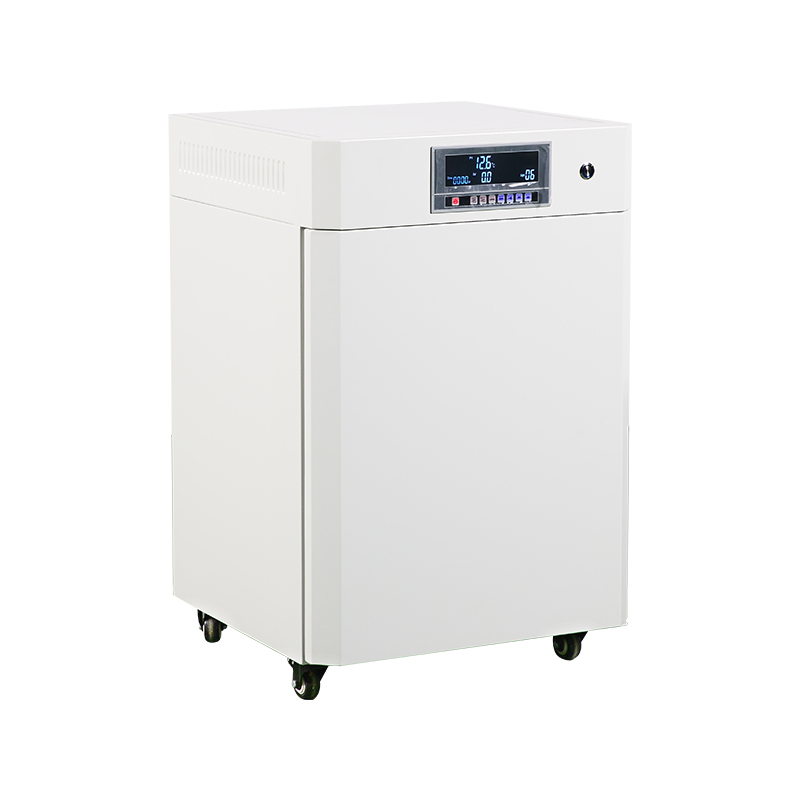
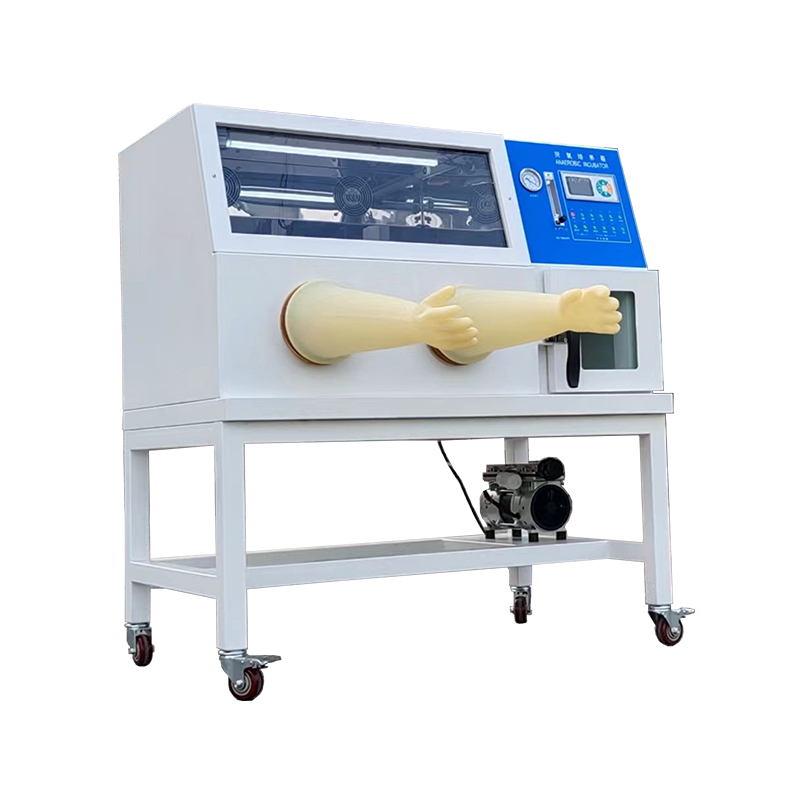
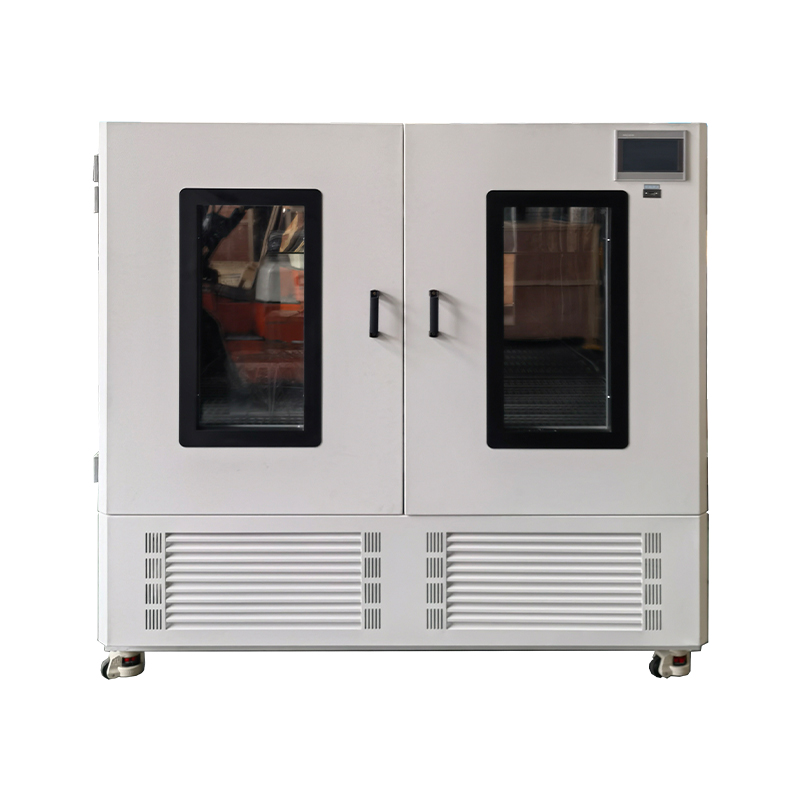
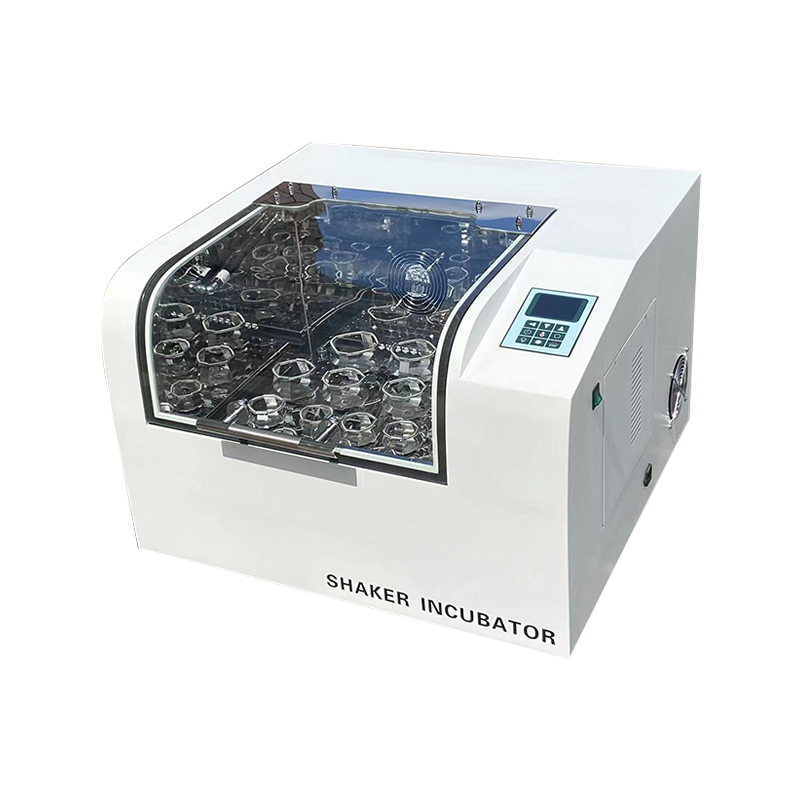
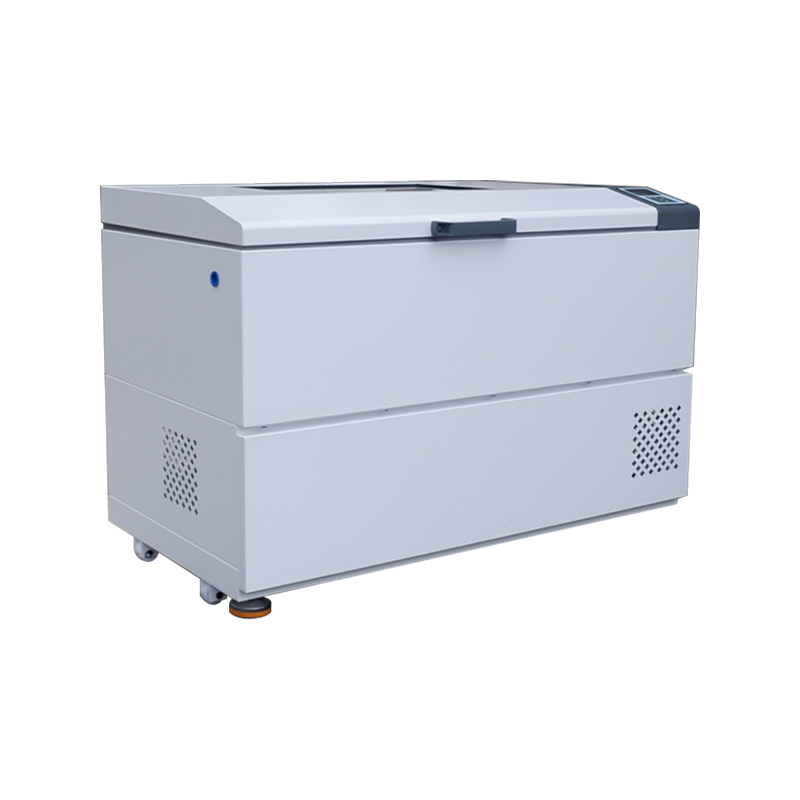
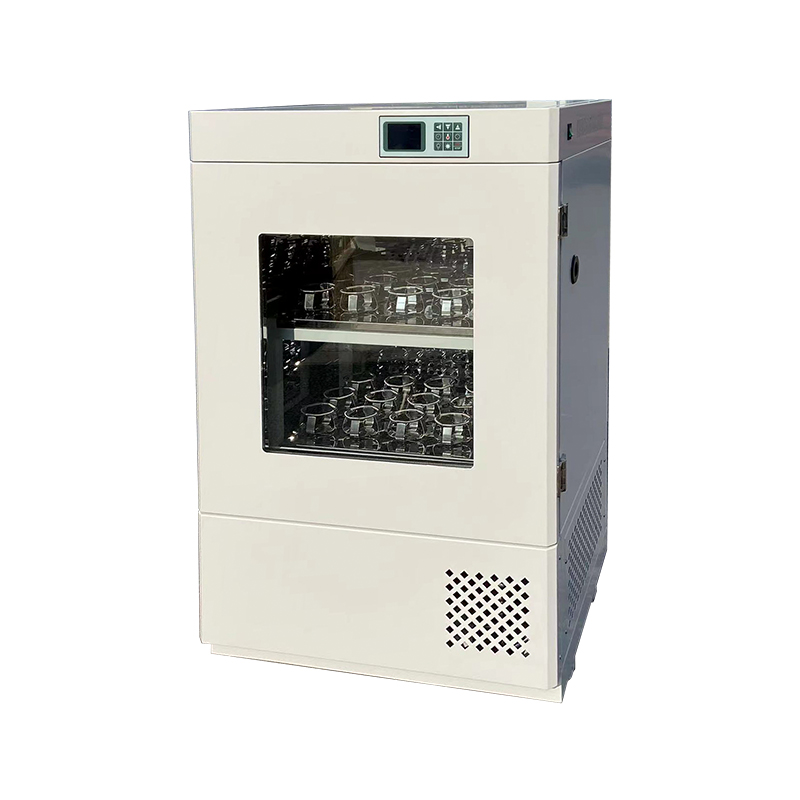
Incubators are core equipment in modern life science and biotechnology research. By simulating and maintaining a highly stable and controllable physiological environment, they provide an indispensable platform for the growth and research of cells, tissues, microorganisms, and plants. In the biomedical field, they are fundamental for cell culture, protein expression, drug screening, and vaccine development. In the food safety and testing industry, they are used for the rapid culture and identification of microorganisms. In agricultural and life science research, they support seed germination studies, ecological observation of insects, and structural culture for tissue engineering. Their core advantages lie in precise environmental simulation and reliable parameter control. Advanced incubators can independently adjust key parameters such as temperature, humidity, gas concentrations (such as CO₂ and O₂), and light, ensuring a highly uniform and stable environment within the chamber. This dynamic and consistent simulation capability not only greatly promotes the reliability and reproducibility of experimental results but also effectively accelerates biological processes and shortens the research and development cycle. Furthermore, modern incubators integrate high-efficiency HEPA filtration systems to effectively prevent cross-contamination and are equipped with intelligent monitoring and data recording functions to ensure traceability and automated management of the entire culture process. In conclusion, incubators have transcended the category of basic equipment and become a key technology and fundamental platform for promoting life science exploration, safeguarding public health, and advancing agricultural technology.
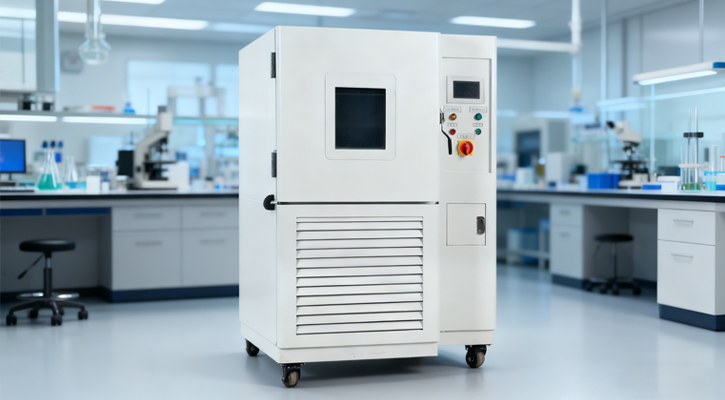
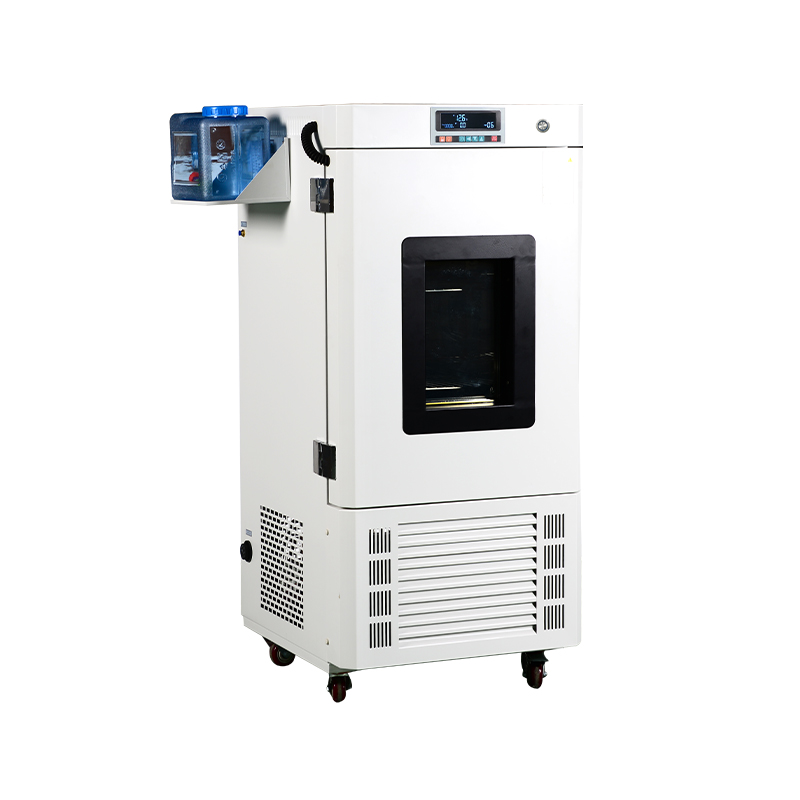
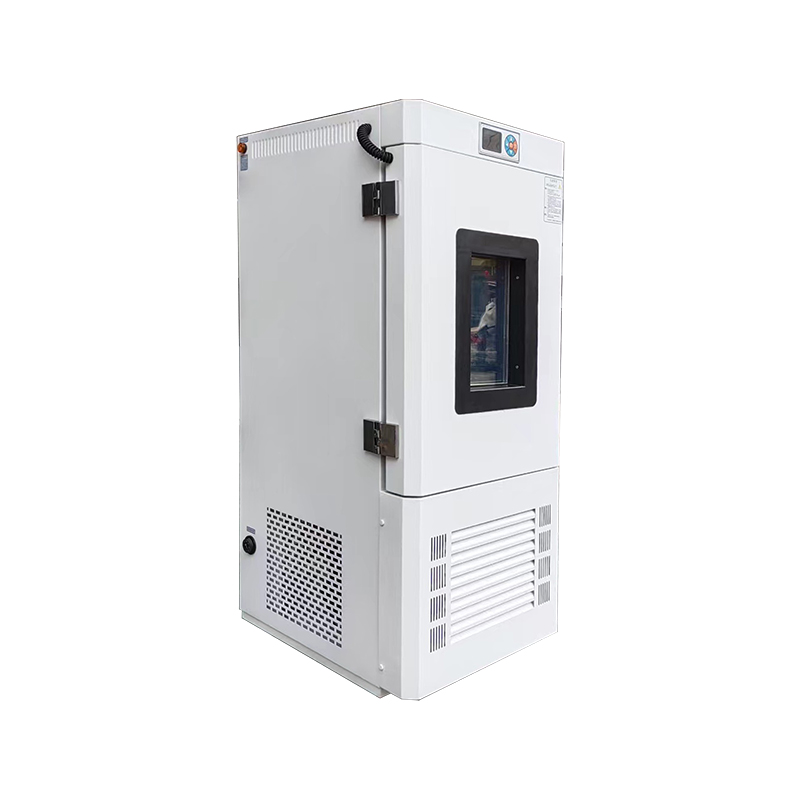
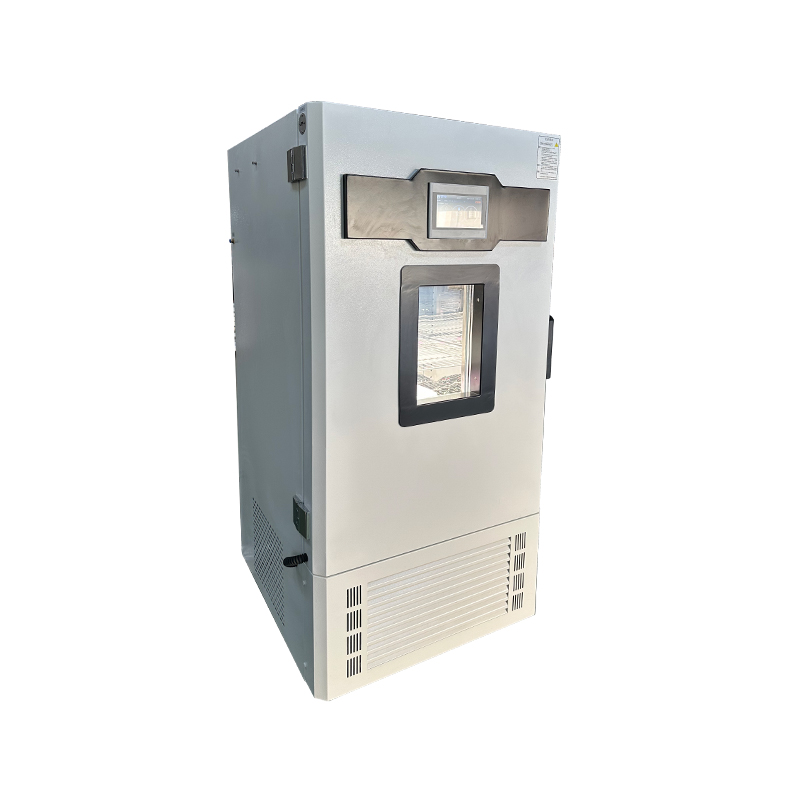
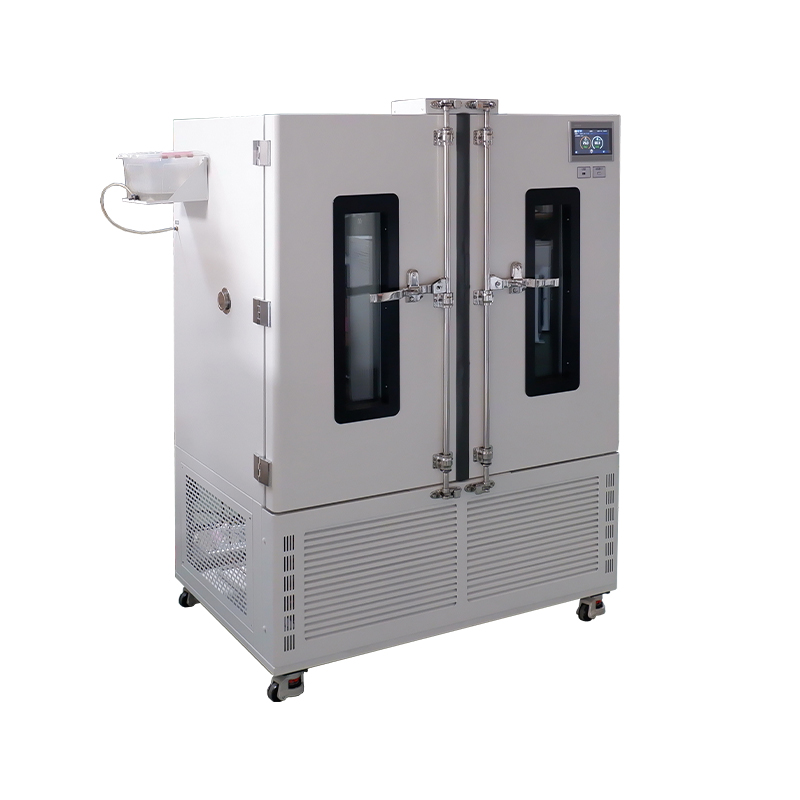
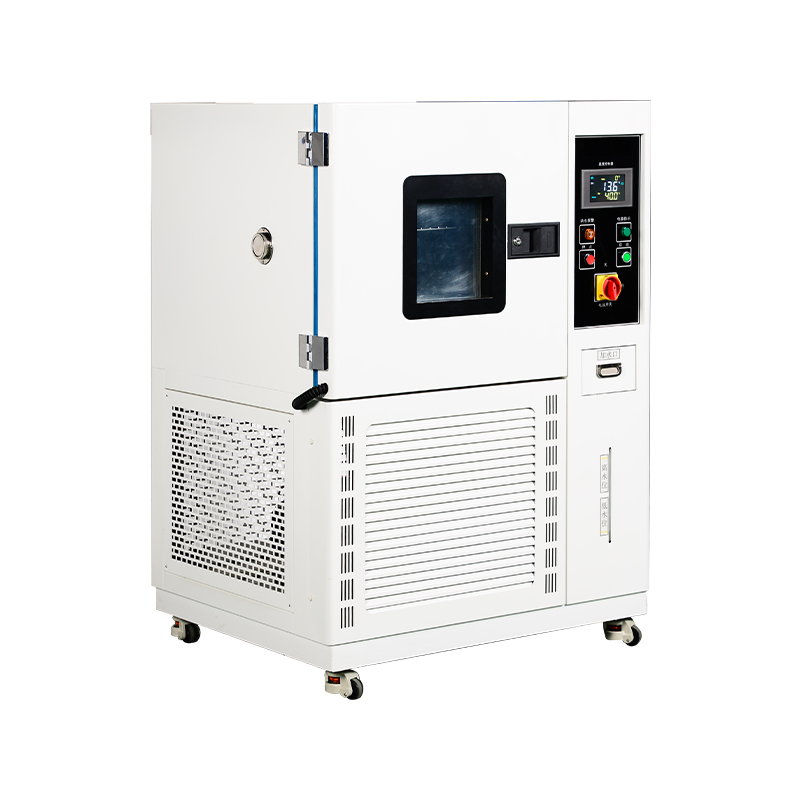
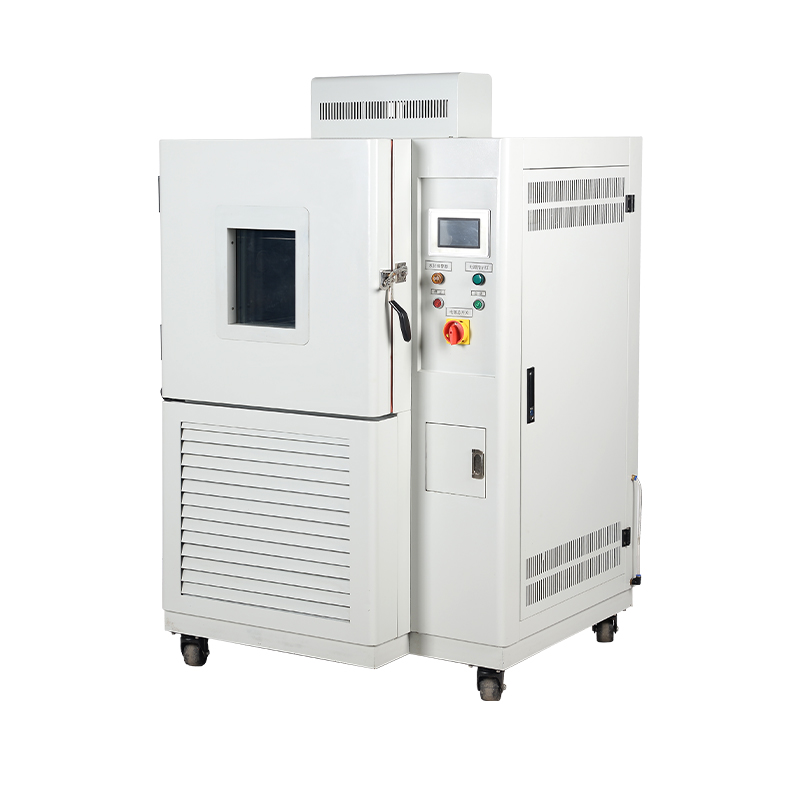
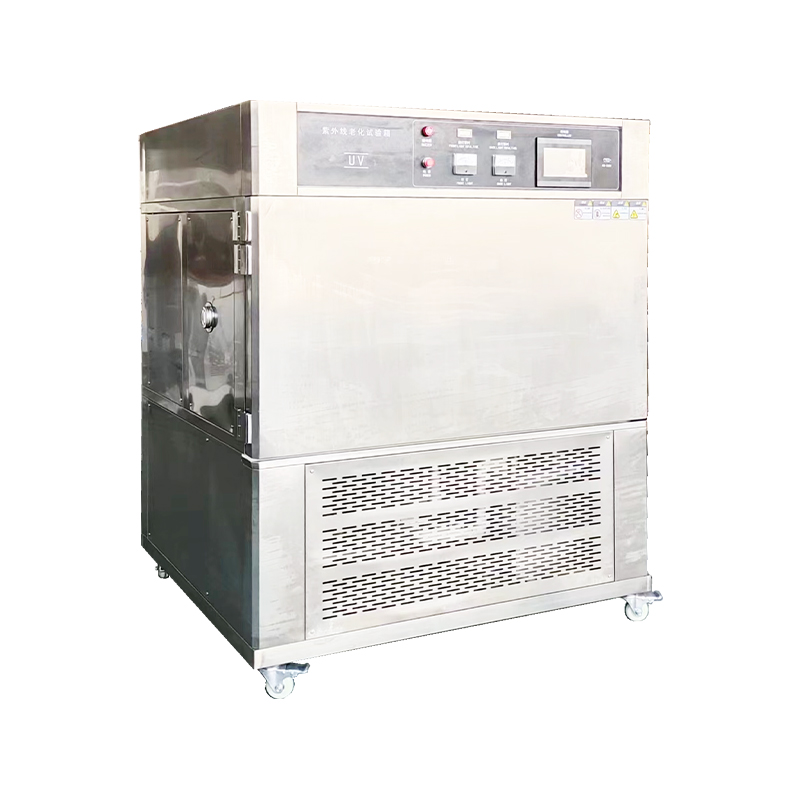
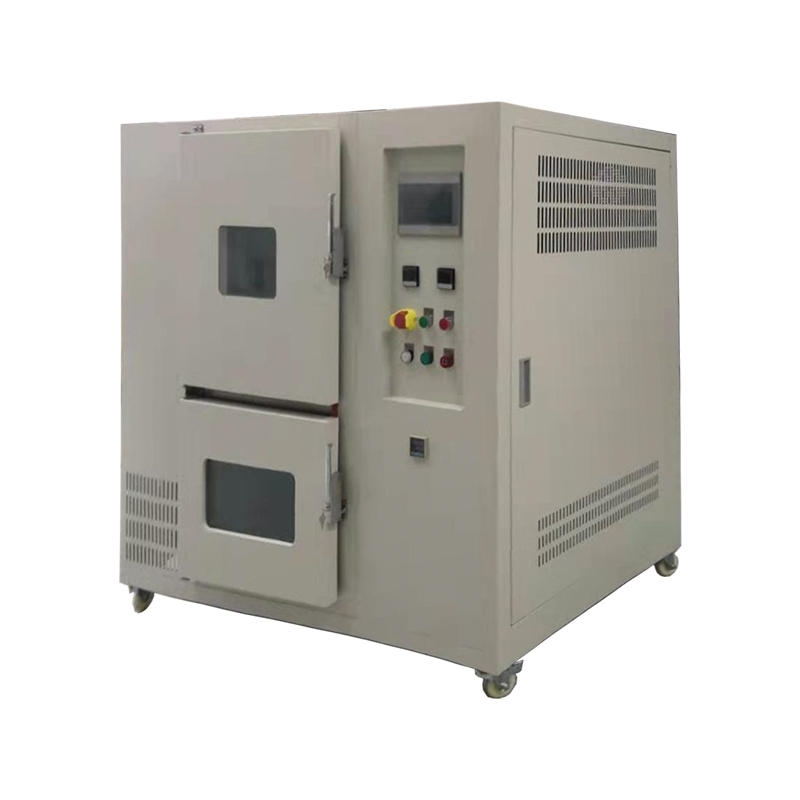
Test chambers are core simulation and verification equipment in modern industrial and scientific research systems. They can independently and precisely control various parameters such as temperature, humidity, air pressure, light, vibration, and corrosive gases, creating a highly uniform and repeatable environmental field within the chamber. This capability not only significantly accelerates the natural aging process of products and efficiently exposes potential defects to improve quality, but also significantly shortens the R&D cycle, providing solid data support for product optimization and innovation. Test chambers serve numerous high-tech industries. In the electronics and semiconductor fields, they are used to test the performance and lifespan of circuit boards, chips, and end products under high temperature, low temperature, humid heat, and salt spray conditions. The automotive and aerospace industries rely on them for environmental stress screening (ESS) and reliability verification of components and complete machines, simulating harsh climates from polar cold to desert heat. In materials science, new energy R&D, and biomedicine, test chambers also provide an indispensable platform for aging, corrosion, light stability, and shelf-life testing of new materials, batteries, pharmaceuticals, and packaging.
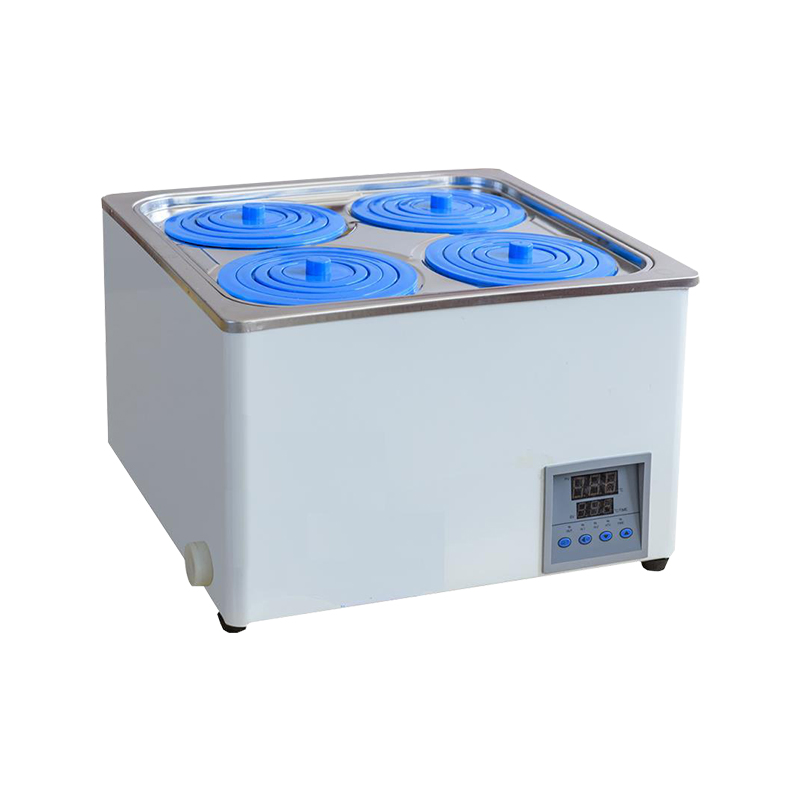
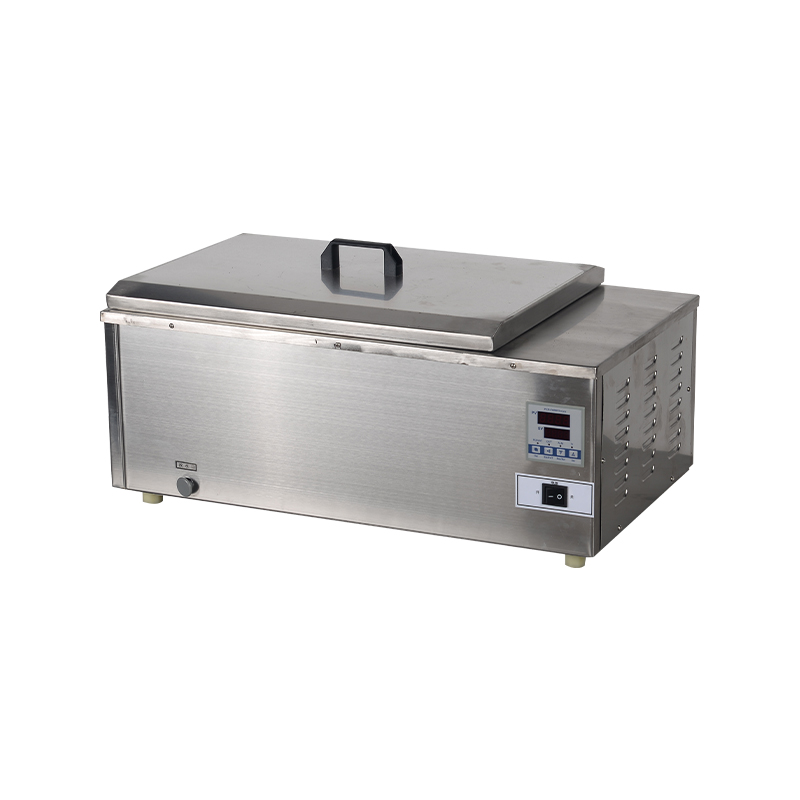
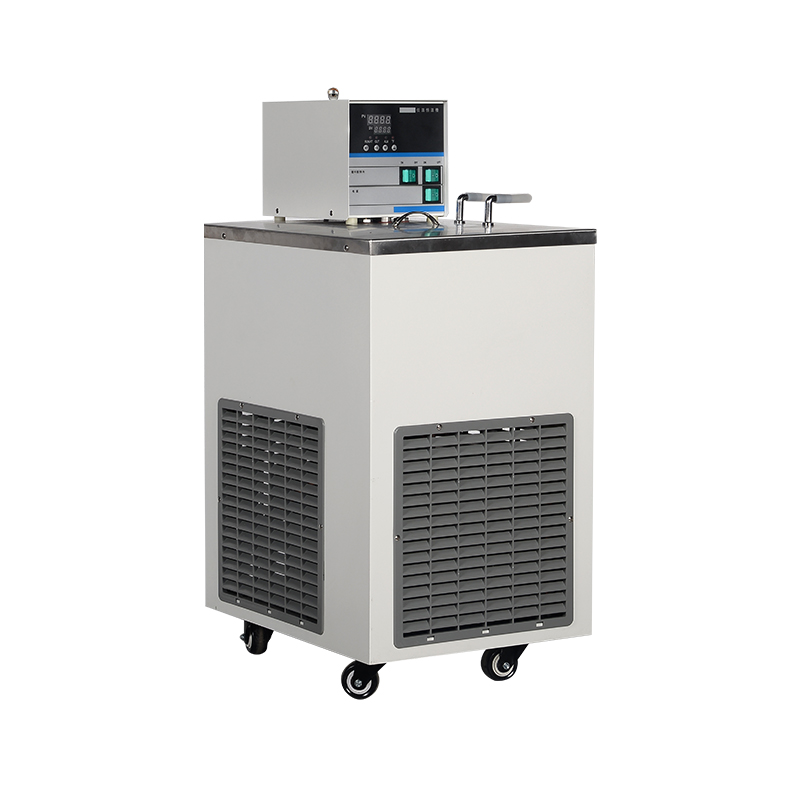
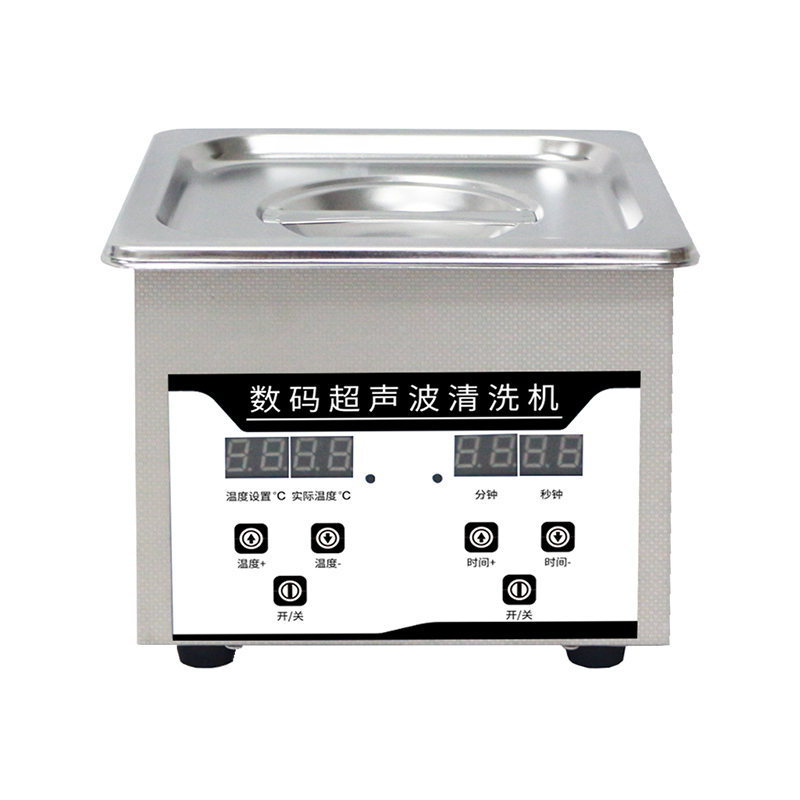
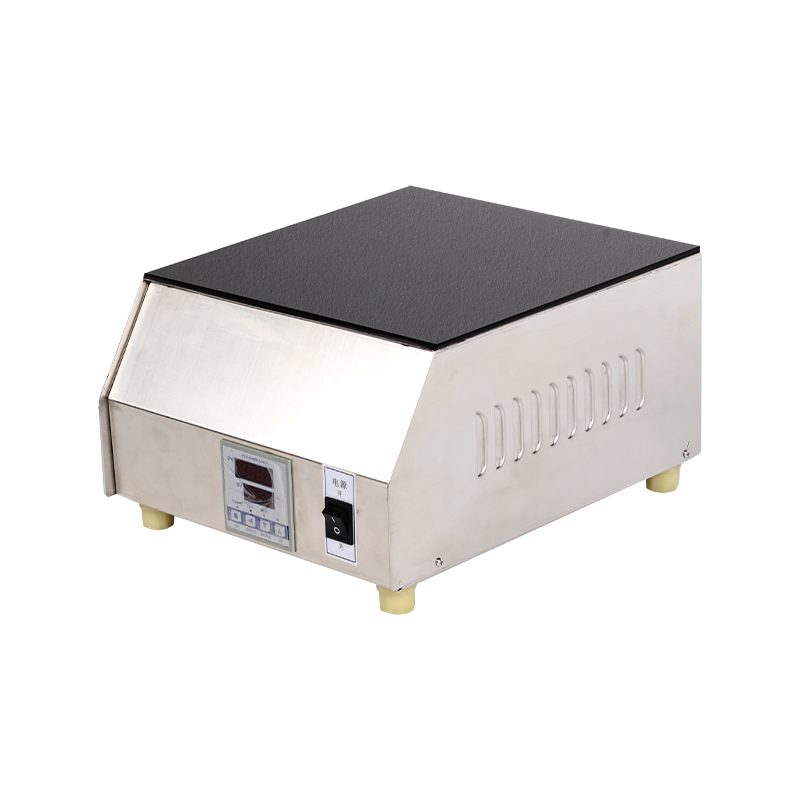
The Other Series offers a comprehensive range of precision laboratory and industrial equipment designed for versatile applications. This series includes water baths, sinks, low-temperature constant temperature circulators, ultrasonic cleaners, and heating plates, each engineered for efficiency and reliability. With stable performance, accurate temperature control, and durable materials, the products meet the needs of research laboratories, manufacturing processes, and quality testing environments.