
 Español
  عربى
عربى -
10 / 13
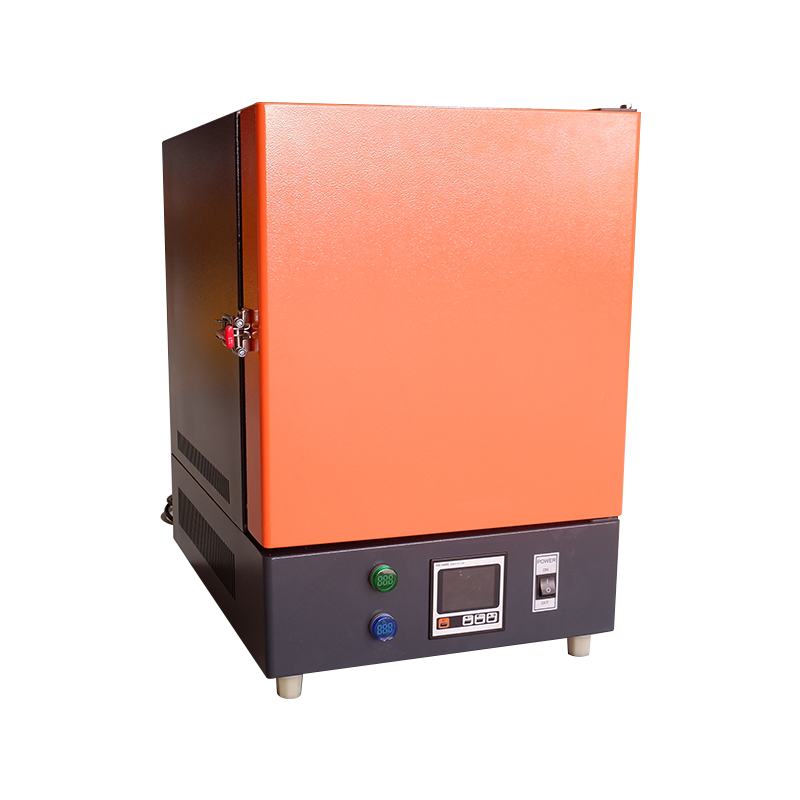
What Is a Muffle Furnace? Working Principle, Temperature Ranges, and Selection
Short answer: a muffle furnace is an electrically heated chamber furnace in which the heating elements sit outside a refractory-lined inner chamber, so the sample is heated mainly by radiation from ...Read More -
10 / 08
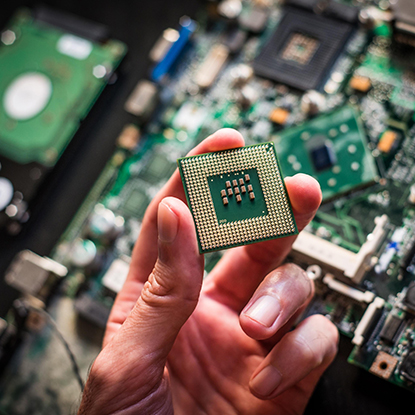
Types of Sintering Furnaces: A Complete Guide for Labs and Industrial Use
If your sintering runs produce inconsistent density, unwanted grain growth, or unpredictable shrinkage, the furnace type is often the first variable to examine. A sintering furnace does more than rea...Read More -
09 / 28

Thermal Processing Industry Guide: Equipment, Temperature Tolerances & Compliance
A batch furnace set to 650 °C that runs 628 °C at the door and 671 °C at the back wall is not dealing with a small calibration problem. Across a 45-minute soak, that spread decides whether a tool ste...Read More -
09 / 21
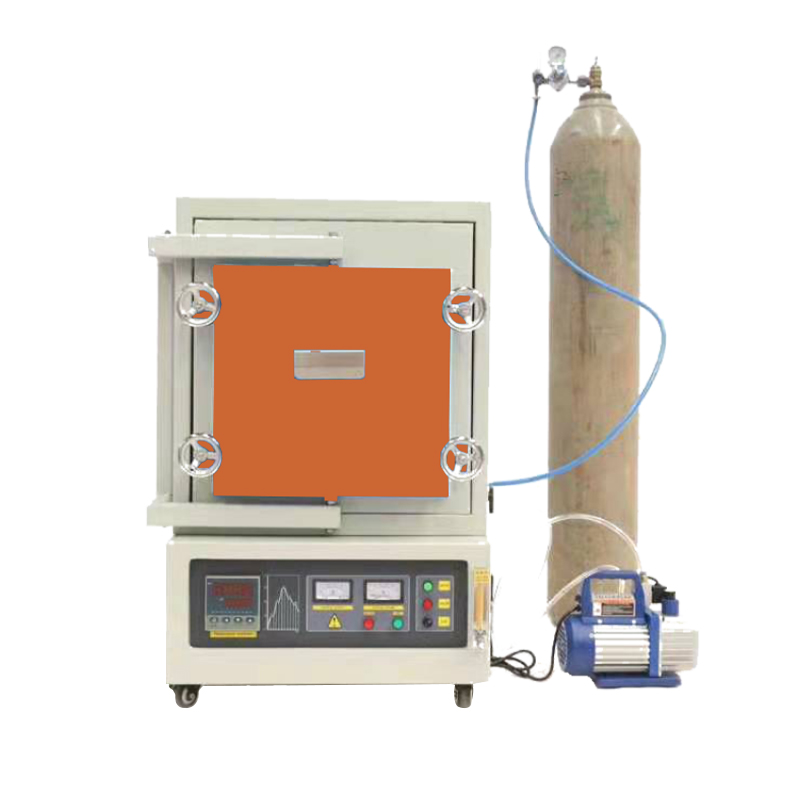
Salt Bath Heat Treatment: Process, Salt Types, Cost, and Safety Limits
At 1,050 °C, a rack of A2 tooling inserts lowered into molten salt reaches austenitizing temperature in roughly 60 to 90 seconds. The same rack in a cold-wall vacuum furnace needs 35 to 45 minutes. T...Read More -
09 / 14
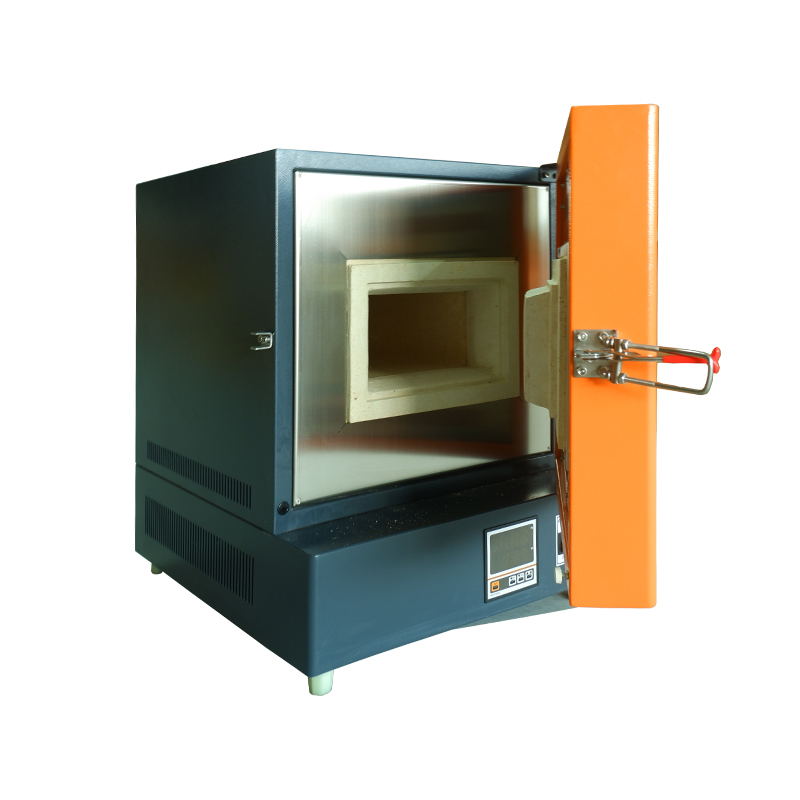
How to Heat Treat Stainless Steel: Processes, Temperatures & Furnace Tips
A plant engineer once sent a batch of 304 stainless brackets through the same hardening cycle used for 420 stainless blades. The brackets came out unchanged in hardness, covered in heavy scale, and w...Read More -
09 / 08
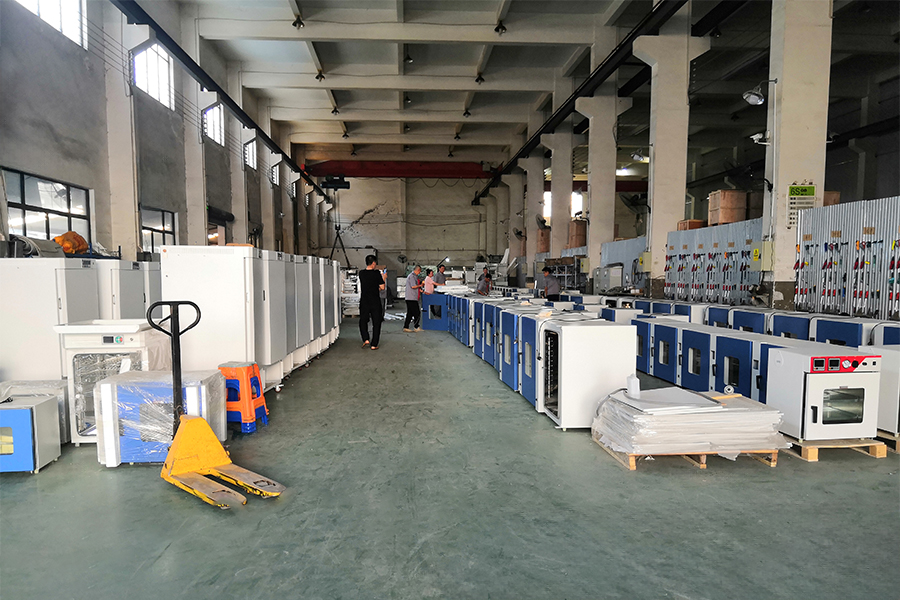
Debinding and Sintering Furnace Guide: Process, Selection & Best Practices
The green part looks flawless: sharp edges, smooth surfaces, dimensions straight from the mould. Then it runs through a debinding and sintering furnace, and 24 hours later you find a hairline crack, ...Read More -
09 / 01
Debinding Explained: Thermal, Catalytic & Solvent Methods in MIM & 3D Printing
Your injection molded feedstock or binder-jetted metal part is not ready for the furnace yet. Debinding is the step that removes the binder system before sintering, and it directly affects whether yo...Read More -
08 / 24
What Happens to Inert Gases in a CVD Furnace Chamber? A Technical Guide
A process engineer opens the gas panel of a CVD reactor, sets the mass flow controller to 200 sccm of argon, and watches the chamber pressure settle at 5 Torr. Over the next two hours, roughly 24 sta...Read More -
08 / 17
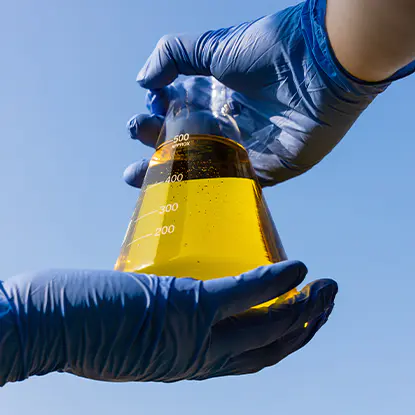
How Temperature Uniformity Affects Oven Performance and Process Yield Rates
A pharmaceutical stability lab in Shanghai rejected an entire stability batch because its drying oven ran about 4 °C hotter at the rear shelf than the displayed value. The control sensor near the doo...Read More -
08 / 10
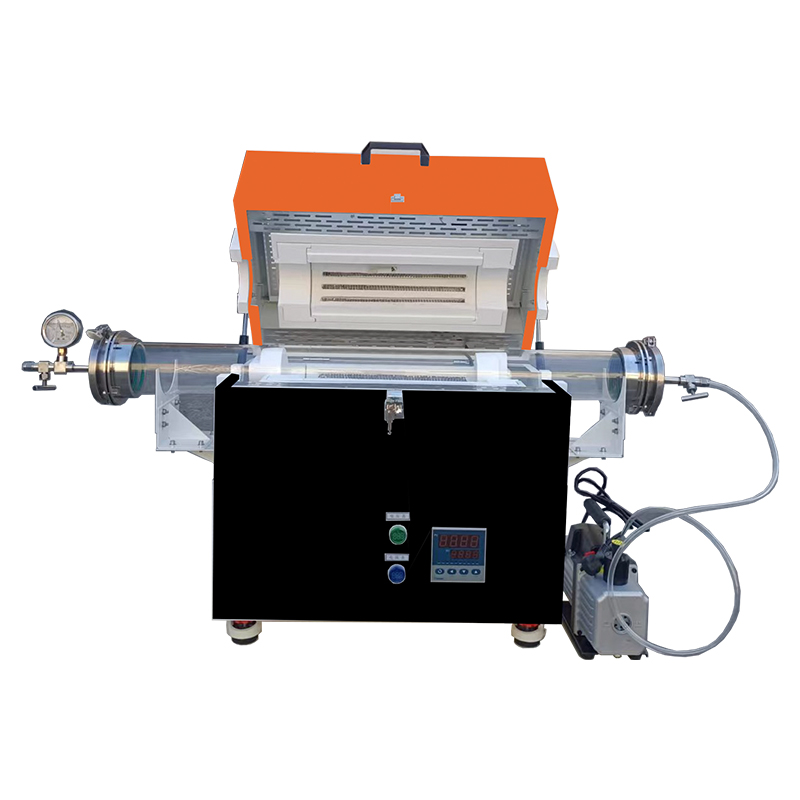
Multiple Temperature Options: The Definitive Lab Equipment Procurement Guide 2026
High-End Laboratory Equipment Manufacturer Technical Procurement White Paper Published: August 2026 By Laboratory Engineering Team 14 min read Executive Summary: Temperature Flexibility Defines La...Read More -
08 / 03
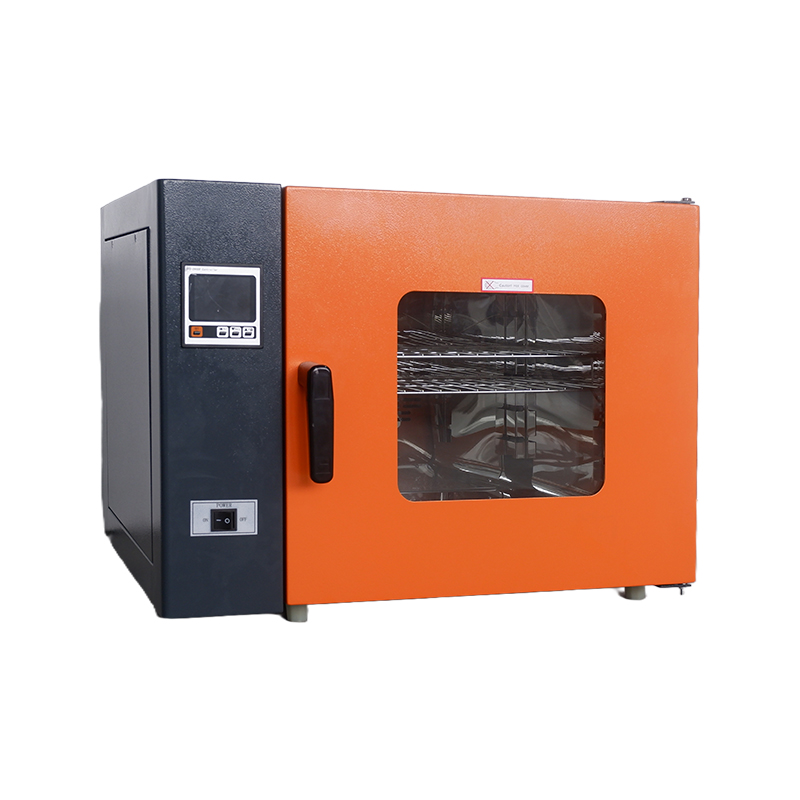
High-Precision Drying Ovens: Ultimate Guide to Precision Thermal Processing Technology
High-Precision Drying Ovens: The Complete 2026 Guide to Precision Thermal Processing Technology A comprehensive, data-driven analysis of temperature uniformity, recovery metrics, ROI calculations, an...Read More -
07 / 27
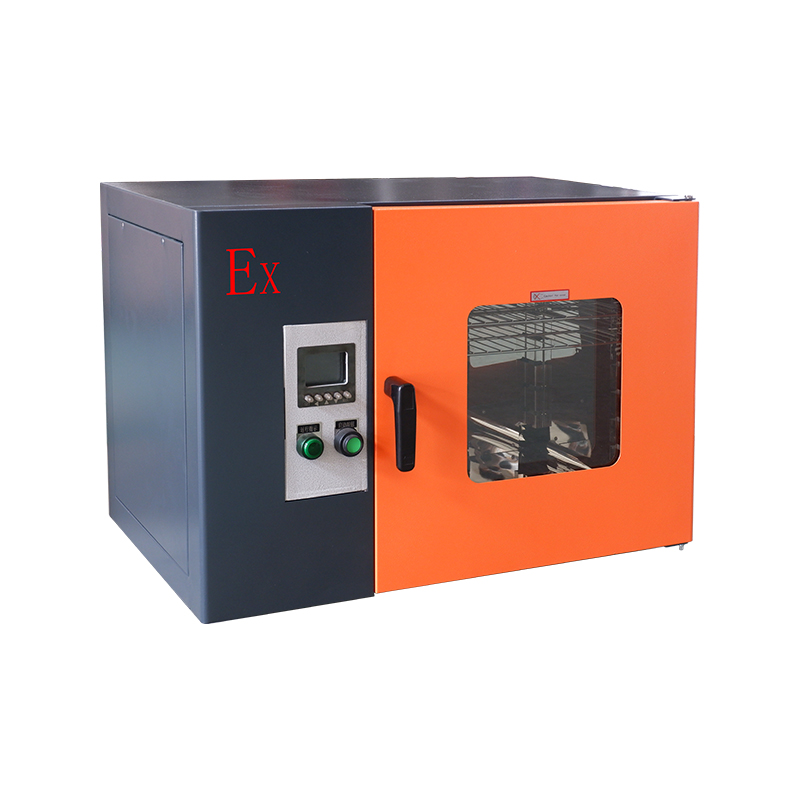
Explosion Proof Equipment: Safety & Technology Guide
At its core, explosion-proof equipment does not mean the device can withstand an external explosion without damage. Instead, the fundamental principle is containment and isolation. The equipment is e...Read More


News
Home / News

- CONTACT
-
- No. 119, Qingliang Avenue, Yaozhuang Town, Zhejiang, China.
- [email protected] ( Email )
- +86-13671719019 ( Phone )
- +86-021-57440136 ( Tel )
- PRODUCT
-
- Drying Oven Series
- Vacuum Box Series
- Explosion-proof Series
- High-temperature Furnace Series
- Incubator Series
- Test Chamber Series
- Other Series
- Forced Air Drying Oven
- Resistance Furnace
- Vacuum Tube Furnace
- Mold Incubator
- Vacuum Atmosphere Furnace
- Biochemical Incubator
- Carbon Dioxide Incubator
- Explosion-Proof Vacuum Drying Oven
- High and Low Temperature Test Chamber
- MOBILE
Copyright ©
Shanghai Dengsheng Instrument Manufacturing Co., Ltd.
All Rights Reserved. Laboratory Equipment Manufacturers

 Back to Top
