Incubator Series manufacturer
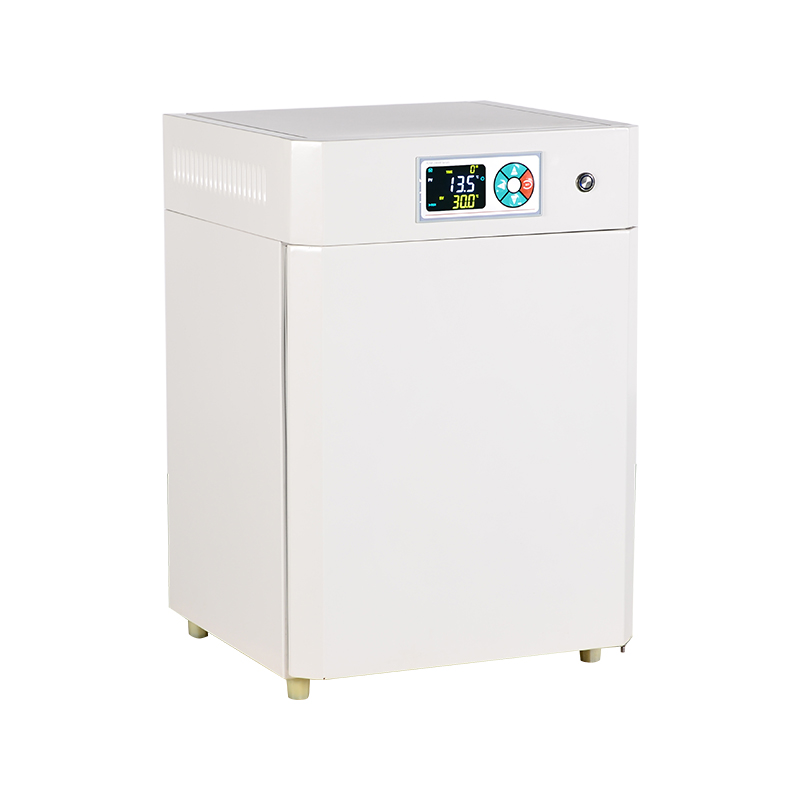
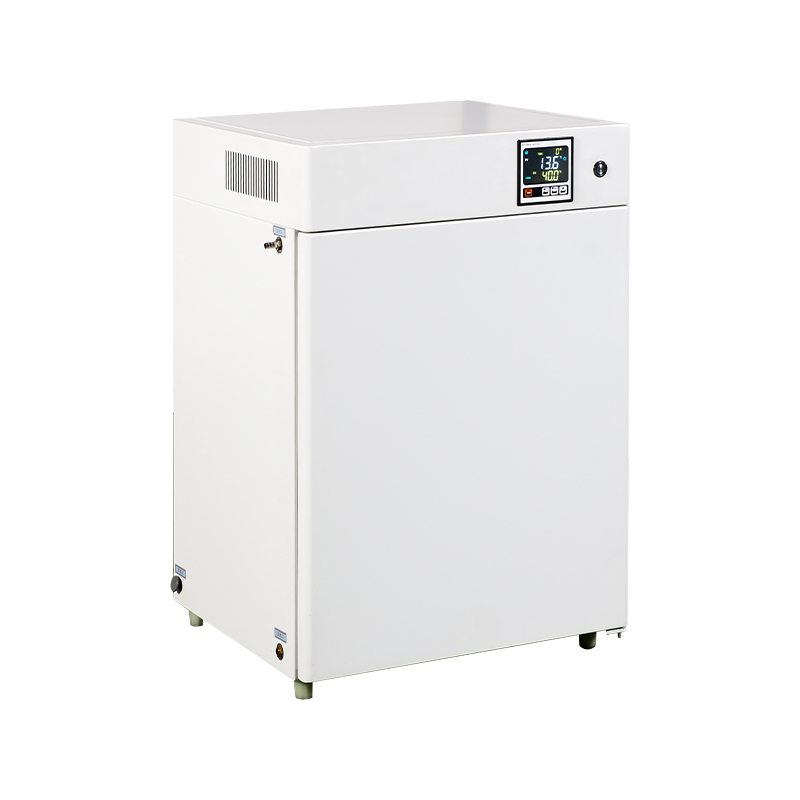
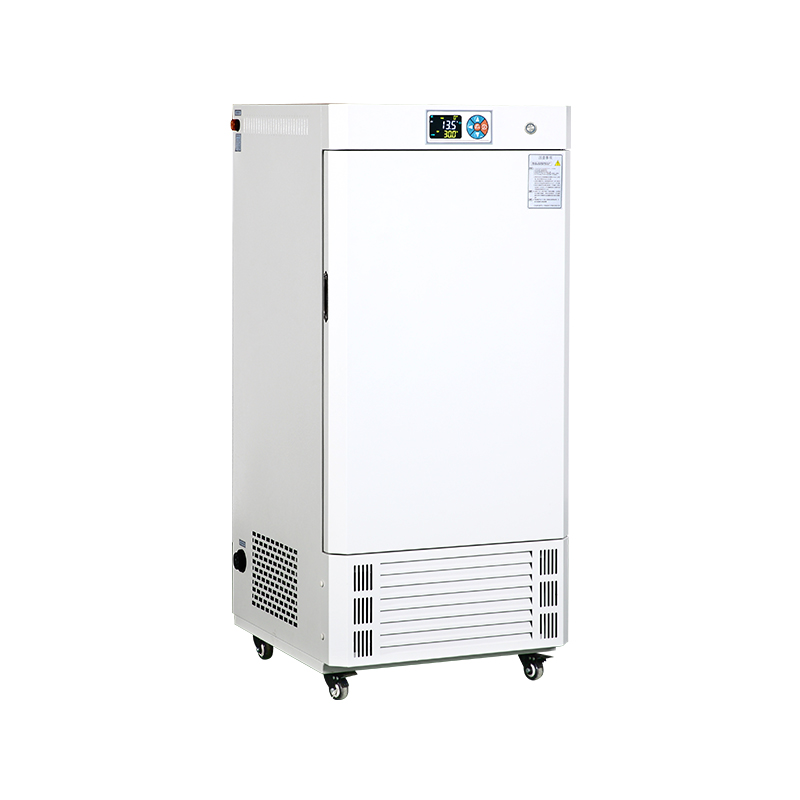
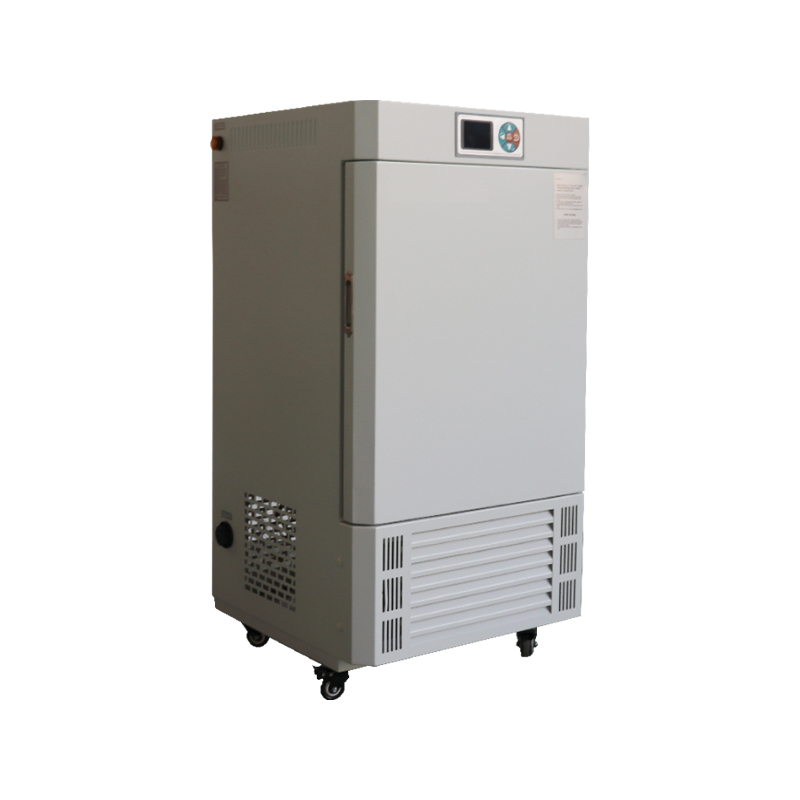
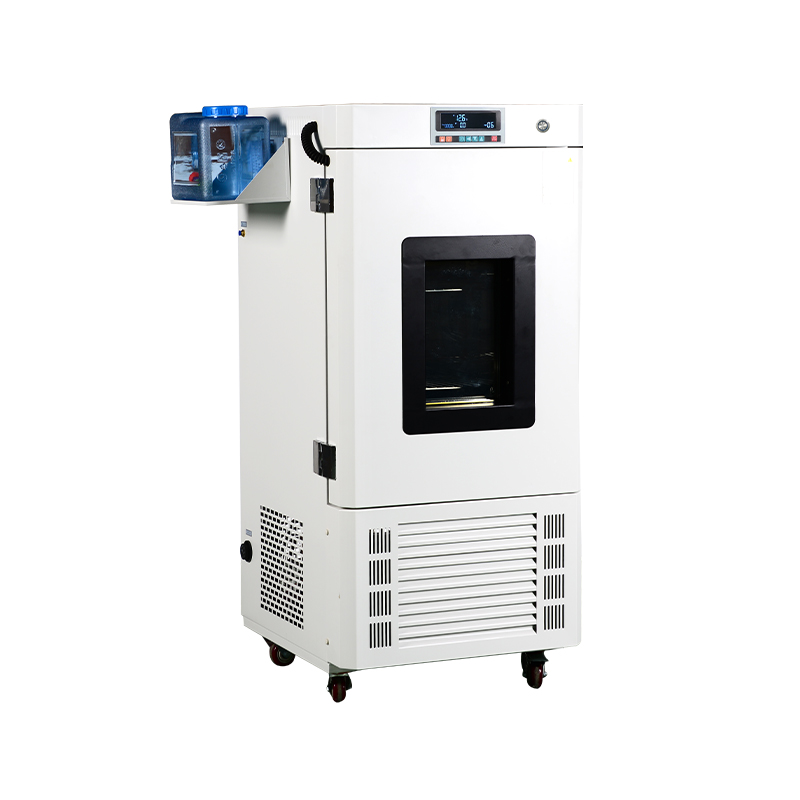
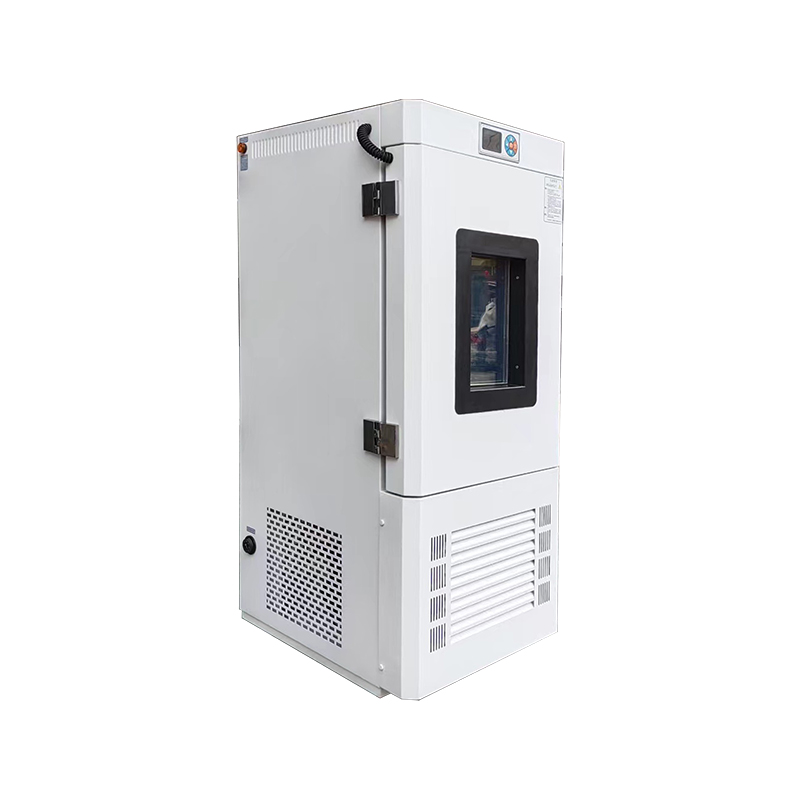
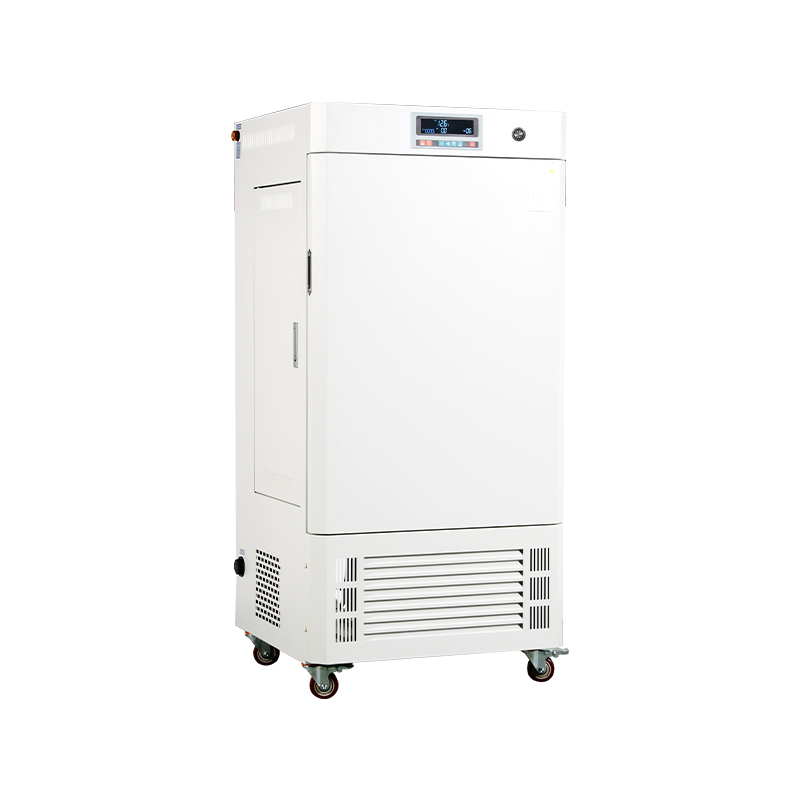
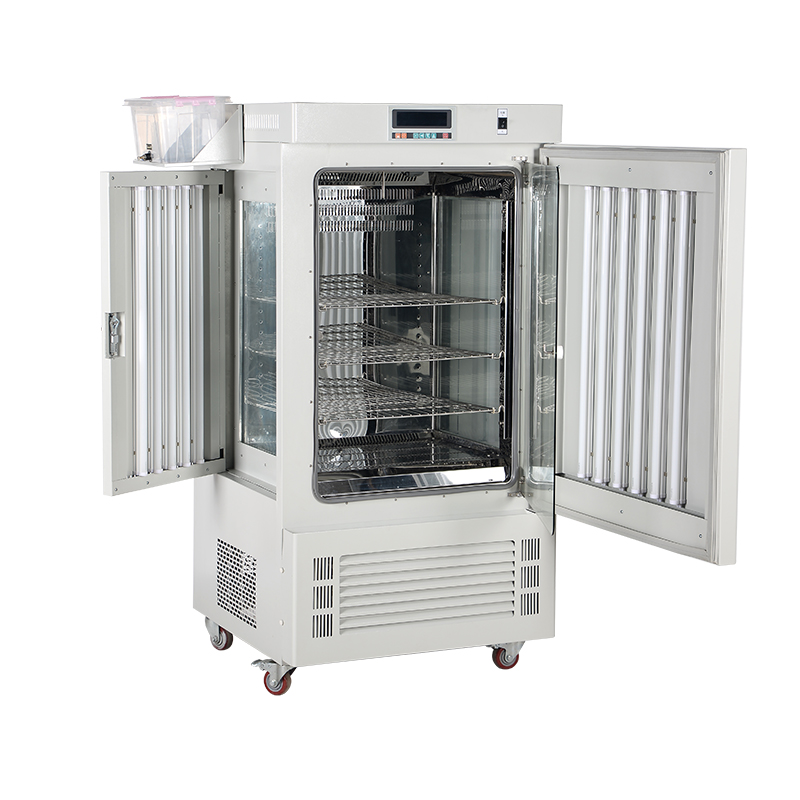
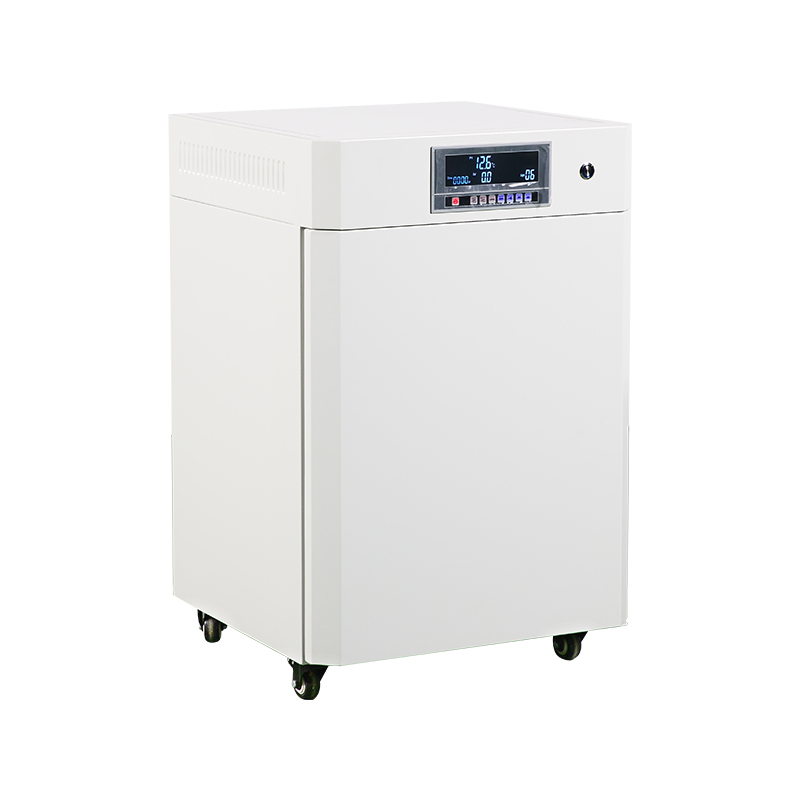
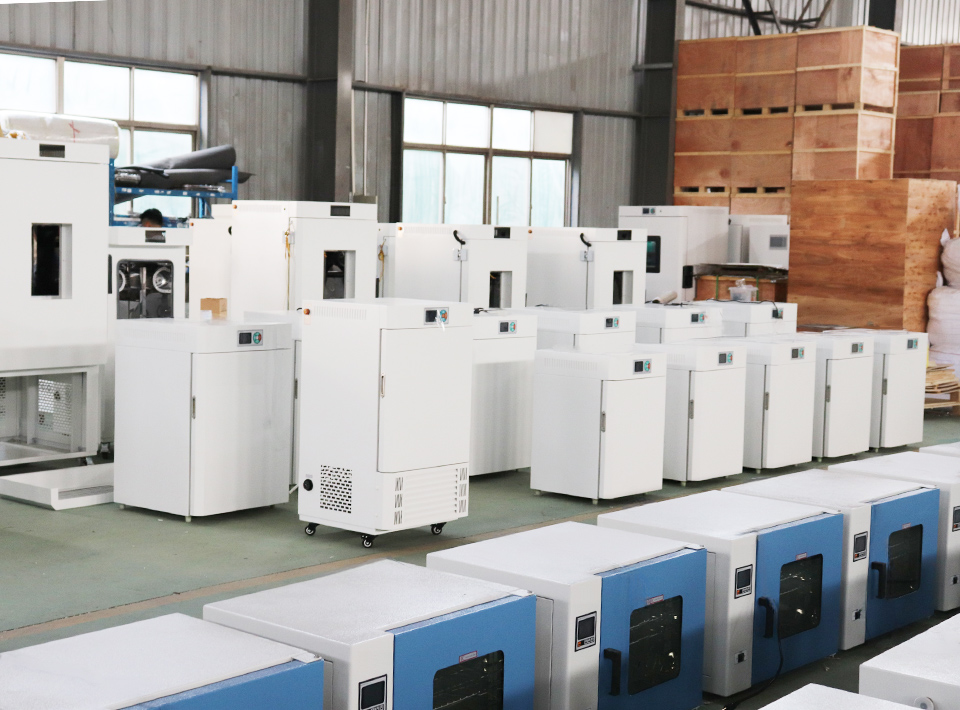
Shanghai Dengsheng Instrument Manufacturing Co., Ltd. designs and builds the Incubator Series as a complete family of controlled-environment chambers for life science, pharmaceutical, food safety, and agricultural research. As an Incubator Series manufacturer, we produce electric heating, water-jacketed, biochemical, mold, CO₂, low-temperature, illuminated, and artificial climate incubators in our 8,000 m² facility, supported by 23 national patents and ISO-9001 quality management certification.
Our incubators maintain stable temperature, humidity, gas concentration, and light conditions for cell culture, microbial growth, seed germination, and stability testing. We configure each unit around the customer's working temperature, chamber volume, and control requirements, and we support the complete project from specification through installation guidance.
Available Incubator Range
Our Incubator Series covers nine distinct chamber types, each engineered for a specific application profile. The table below summarizes the range and typical use cases.
| Incubator Type |
Temperature Range |
Volume Range |
Key Feature |
| Electric Heating (DHP) |
RT+5 to 65°C |
16–270 L |
Forced air circulation, LCD control |
| Water-jacketed (GHP) |
RT+5 to 65°C |
50–270 L |
Indirect heating, temperature retention |
| Biochemical (BIC) |
5 to 65°C |
72–500 L |
Compressor cooling, ±1°C uniformity |
| Mold Incubator |
— |
— |
Corrosion-resistant, double-door design |
| CO₂ Incubator |
— |
— |
Stainless steel liner, gas control |
| Low Temperature |
— |
— |
Fast cooling, low-noise operation |
| Illuminated |
— |
— |
Light control, good sealing |
| Artificial Climate |
— |
— |
Light, humidity, temperature simulation |
| Anaerobic |
— |
— |
High-precision constant temperature |
For detailed specifications on the electric heating, water-jacketed, and biochemical models, see the individual product pages. We also manufacture the related Drying Oven Series and Vacuum Box Series for complementary laboratory workflows.
Application Fit by Industry
The Incubator Series serves four primary industry segments, each with distinct environmental control requirements.
- Biomedical and pharmaceutical — Cell culture, protein expression, drug screening, and vaccine development. CO₂ incubators with stainless steel liners prevent cross-contamination.
- Food safety and testing — Rapid culture and identification of microorganisms using biochemical and mold incubators.
- Agriculture and forestry — Seed germination studies, insect ecological observation, and plant tissue culture using illuminated and artificial climate incubators.
- Health and disease control — Microbial culture and vaccine R&D for CDC and public health laboratories, using anaerobic and low-temperature models.
Engineering and Construction
Every incubator in the series shares a common construction philosophy: durable materials, cleanable surfaces, and thermal efficiency.
- Inner chamber — SUS304 mirror-finish stainless steel with rounded corners for easy cleaning and corrosion resistance.
- Outer casing — Cold-rolled steel plate with phosphating and electrostatic powder coating, providing a rust-proof, anti-static surface.
- Heating elements — AGR high-temperature silicone heating elements with 3–5 times longer service life than ordinary heating films.
- Door design — Magnetic strip sealed doors with tempered glass observation windows, allowing sample monitoring without opening the chamber.
- Insulation — Multi-layer insulation structure and thickened insulation layers reduce thermal loss and stabilize internal temperature.
Control System and Automation Integration
Our control systems are built around microcomputer PID intelligent temperature control with self-tuning functionality. The 5.7-inch LCD display shows constant temperature time, operating temperature, set temperature, heating status, and over-temperature alarms on a single screen.
- Temperature resolution of 0.1°C with fluctuation of ≤±0.5°C
- 30-segment programmable temperature control on P-type models
- Multiple timing modes: forward timing, countdown timing, constant temperature timing, and start timing
- RS485 communication, USB data export, printer, and remote control options
- Over-temperature audible and visual alarms, power-off memory, and sensor self-diagnosis
- Independent over-temperature protection prevents runaway heating
For low-temperature models, we use fluorine-free environmentally friendly compressors with low noise and high energy efficiency. The modular refrigeration system ensures stable long-term operation.
Quality Assurance and Acceptance
We enforce a 4-stage inspection protocol across all incubator production: incoming material inspection, in-process inspection, aging test, and final pre-shipment check. Our testing laboratory uses precision instruments to quantitatively verify temperature uniformity and fluctuation.
We perform multi-point chamber mapping to validate temperature uniformity under both empty and fully loaded conditions. This ensures that practical use aligns with calibrated performance values. Our ISO-9001 quality management system, certified since 2019, governs the entire process from design to inspection.
Customization and Project Support
We offer strong non-standard customization capabilities. Customers can provide specific requirements such as temperature range, chamber size, material (e.g., stainless steel), and special functions like programmed temperature control, remote monitoring, or nitrogen atmosphere. Our R&D team develops products according to drawings, samples, or specific working conditions.
For international customers, we provide English technical documentation, assistance with international logistics and customs clearance, and remote installation guidance via online video conferencing. Standard models typically ship within 5–7 business days after payment; customized products have delivery dates negotiated and written into the contract.
Information We Use to Configure Your Solution
To prepare an accurate configuration and quotation, we need the following project information:
- Required temperature range and uniformity specification
- Chamber volume or sample dimensions
- Whether cooling is required (biochemical, low-temperature models)
- Special functions: programmed control, RS485, remote monitoring, gas atmosphere
- Industry standards or compliance requirements (GMP, etc.)
- Power supply specifications for your region
- Quantity and delivery destination
Frequently Asked Questions
Q: What temperature ranges are available across the Incubator Series?
Electric heating and water-jacketed models operate from RT+5 to 65°C. Biochemical incubators operate from 5 to 65°C with compressor cooling. Low-temperature models provide fast cooling for applications below ambient. We can customize temperature ranges for specific applications.
Q: Can you customize the chamber size or material?
Yes. We provide non-standard customization based on your drawings, samples, or working conditions. Our R&D team can adjust chamber dimensions, material grade, shelf configuration, and control features to match your process requirements.
Q: What is the difference between electric heating and water-jacketed incubators?
Electric heating models use forced air circulation with silicone heating elements for rapid temperature response. Water-jacketed models use indirect heating through a water jacket, providing better temperature uniformity and longer temperature retention after power failure. Choose water-jacketed for temperature-sensitive applications.
Q: How do you validate temperature uniformity?
We perform multi-point chamber mapping under both empty and fully loaded conditions using precision instruments. Temperature uniformity is verified at 37°C for standard models, with typical values of ±1.5°C for electric heating and water-jacketed models, and ±1°C for biochemical models.
Q: What export support do you provide?
We provide English instruction manuals, power supplies meeting international standards, and certification services. We assist with international logistics and customs clearance, and offer remote installation guidance and troubleshooting via online video conferencing.
Related Products and Categories
Our portfolio also includes Products for applications with different operating ranges, interfaces or integration requirements.


 Español
  عربى
عربى 

 2026/10/13