High-temperature Furnace Series
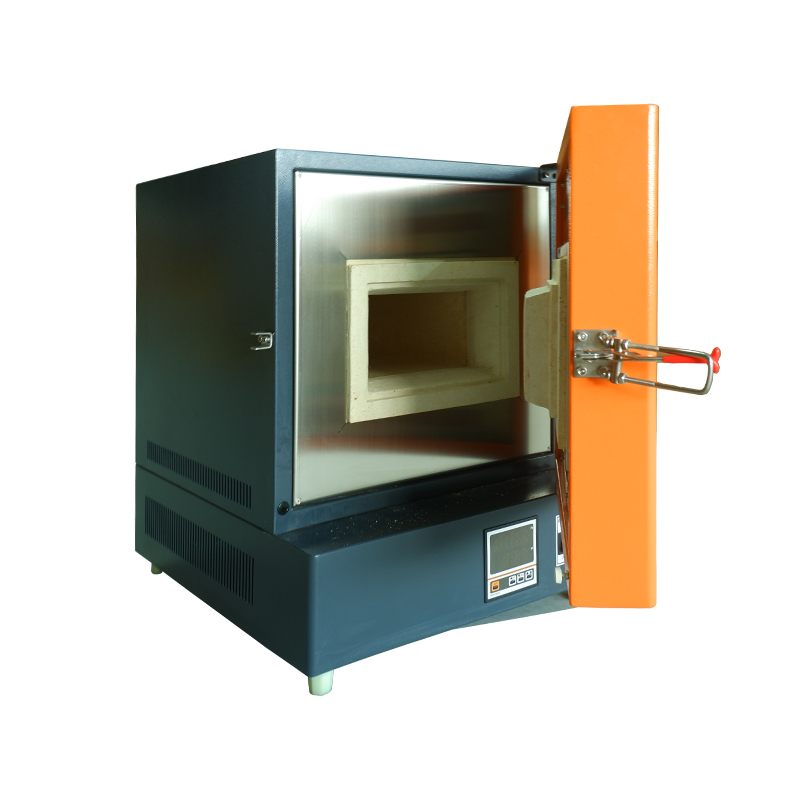
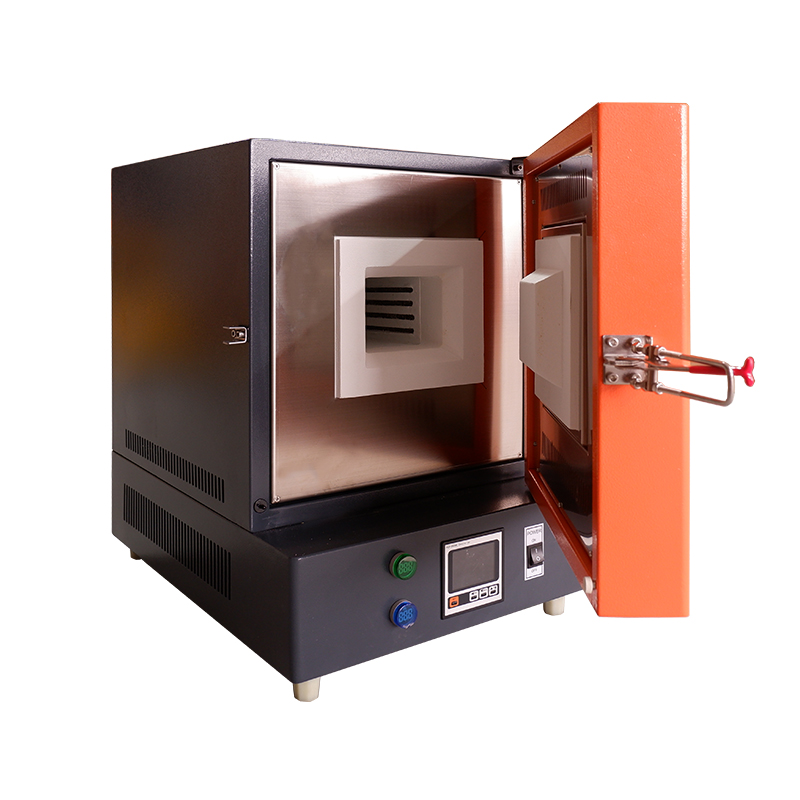
Shanghai Dengsheng Instrument Manufacturing Co., Ltd. is a high-tech enterprise and High-temperature Furnace Series manufacturer in China, delivering electric furnaces for laboratory research, industrial heat treatment, and advanced material processing. Our range covers box-type resistance furnaces, ceramic fiber muffle furnaces, vacuum tube furnaces, and vacuum atmosphere furnaces, each engineered for specific thermal process requirements.
Our Product Range
We supply four complementary furnace types, all built on a modular platform with intelligent PID control and safety interlocks. The table below summarizes the application fit and key temperature ranges.
| Furnace Type |
Temperature Range |
Typical Applications |
| Box-type Resistance Furnace |
1000–1300°C |
Ashing, annealing, quenching, sintering, elemental analysis |
| Ceramic Fiber Muffle Furnace |
1000–1800°C |
Rapid heating/cooling, new material synthesis, CVD, high-entropy alloys |
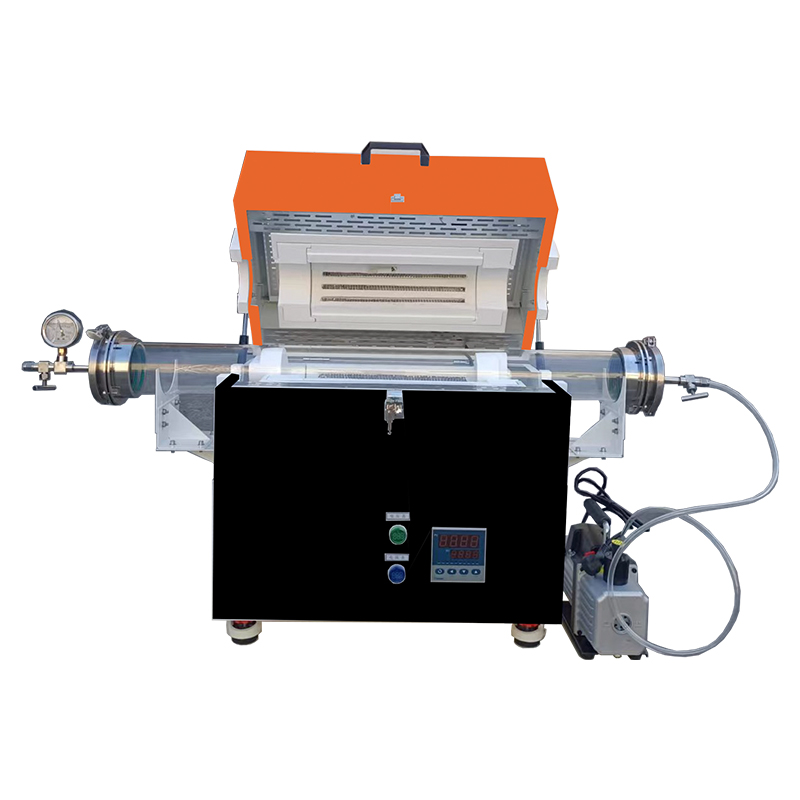
| Vacuum Tube Furnace |
1200–1700°C |
Semiconductor processing, ceramic sintering, crystal growth, atmosphere control |
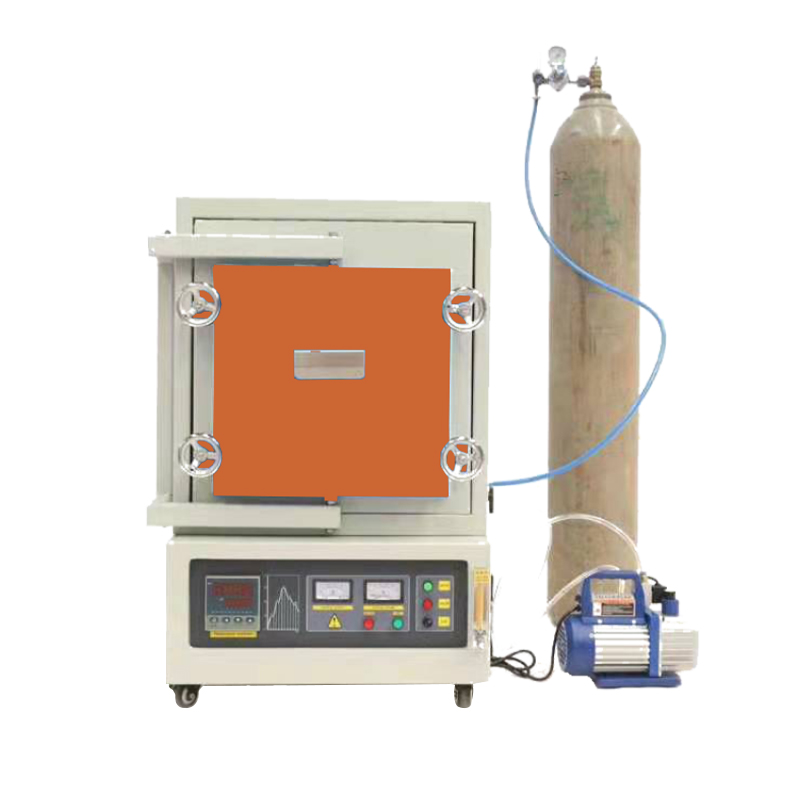
| Vacuum Atmosphere Furnace |
Up to 1700°C |
Sintering of sensitive materials, special alloys, high-performance ceramics |
Application Fit and Process Control
Each furnace type addresses a distinct thermal challenge. Our box-type resistance furnaces serve as general-purpose workstations for routine heat treatment and analytical preparation. The ceramic fiber muffle furnace, with its low thermal mass insulation, supports rapid ramp rates and frequent cycling—ideal for R&D environments. Vacuum tube furnaces provide a sealed, clean atmosphere for oxidation-sensitive processes, while vacuum atmosphere furnaces allow precise gas introduction for reactive sintering.
We configure the control system around your required process profile. All models feature intelligent PID fuzzy control with ±1°C accuracy, color LCD touch interface, programmable ramp-and-soak segments, and selectable timing modes (constant temperature, power-on, forward/countdown). For atmosphere control, we integrate gas switching interfaces and vacuum systems with pressure gauges, ensuring repeatable conditions.
Critical Specifications and Materials
- Heating elements: Nickel-containing HRE alloy wires (1000/1200°C), silicon carbide rods (1300/1400°C), molybdenum disilicide rods (1600–1800°C).
- Furnace chamber: One-piece molded refractory brick (Al₂O₃) for box furnaces; ceramic fiber modules for muffle furnaces; quartz or corundum tubes for tube furnaces.
- Insulation: Multi-layer alumina fiber board and ceramic fiber blanket to minimize heat loss and keep shell temperature safe.
- Shell: Q235 cold-rolled steel, phosphating and anti-static powder coating.
- Safety: Door-opening power-off, overheat protection, thermocouple break detection, leakage protection, and power-failure memory.
Configuration and Automation Integration
We offer flexible configuration to match your workflow. Options include quartz observation windows, mass spectrometry interfaces, programmable multi-segment controllers, and remote monitoring via RS485 or Ethernet. For production lines, we can integrate the furnace with upstream/downstream equipment, providing communication protocols and data logging for audit trails.
Our engineering team works from your process parameters—temperature profile, atmosphere type, vacuum level, and load size—to select the appropriate heating element, insulation thickness, and control strategy. We also provide custom chamber dimensions and flange designs for tube furnaces.
Quality Assurance and Acceptance
As an ISO-9001 certified manufacturer, we enforce a 4-stage inspection protocol: incoming material, in-process, aging test, and final pre-shipment check. Each furnace undergoes multi-point thermal mapping to verify temperature uniformity across the usable chamber space. We also conduct pressure retention tests on vacuum and atmosphere systems to ensure sealing integrity.
We provide acceptance documentation including calibration certificates, test reports, and operating manuals. For international orders, we prepare export packaging and supply English documentation, power supply configurations meeting local standards, and remote installation guidance via video conference.
Information We Use to Configure Your Solution
To prepare a precise quotation and technical proposal, we need the following project data:
- Required maximum temperature and typical operating profile
- Chamber dimensions or sample size and batch weight
- Atmosphere requirements (air, inert gas, reducing, or vacuum level)
- Heating/cooling rate expectations and cycle frequency
- Control and data logging needs (programmable segments, remote access)
- Utility specifications (voltage, phase, available power)
- Any applicable industry standards or certification requirements
Share these details with our sales engineers, and we will recommend the appropriate model, optional accessories, and integration approach. We also support custom development based on your drawings or samples.
Related Equipment
Beyond high-temperature furnaces, we manufacture complementary thermal equipment. Our Drying Oven Series covers forced air and high-temperature drying, while the Vacuum Box Series provides low-temperature vacuum drying for heat-sensitive materials. For controlled atmosphere processes, the Explosion-proof Series offers safe operation in hazardous environments.
FAQs
Q: What is the difference between a box-type resistance furnace and a ceramic fiber muffle furnace?
A: Box-type resistance furnaces use refractory brick chambers and are ideal for stable, long-duration heat treatment. Ceramic fiber muffle furnaces have low thermal mass, enabling rapid heating and cooling—better for frequent cycling and high-efficiency processing.
Q: Can you provide a vacuum tube furnace with a specific atmosphere control?
A: Yes. Our vacuum tube furnaces support inert, reducing, or reactive atmospheres via gas inlet/outlet ports and vacuum systems. We can integrate mass flow controllers and pressure monitoring for precise gas composition.
Q: What temperature uniformity can I expect?
A: We perform multi-point thermal mapping before shipment. Typical uniformity is within ±3°C at peak temperature for standard configurations, depending on chamber size and heating element layout.
Q: Do you offer custom chamber sizes?
A: Yes. We can customize chamber dimensions, tube diameters, and flange designs based on your sample size and process requirements. Our R&D team will adjust heating element placement and insulation accordingly.
Q: What is the lead time for standard models?
A: For standard models, we typically ship within 5–7 business days after payment. Customized units require a negotiated schedule based on complexity, which is documented in the contract.


 Español
  عربى
عربى 

 2026/10/13