
 Español
  عربى
عربى 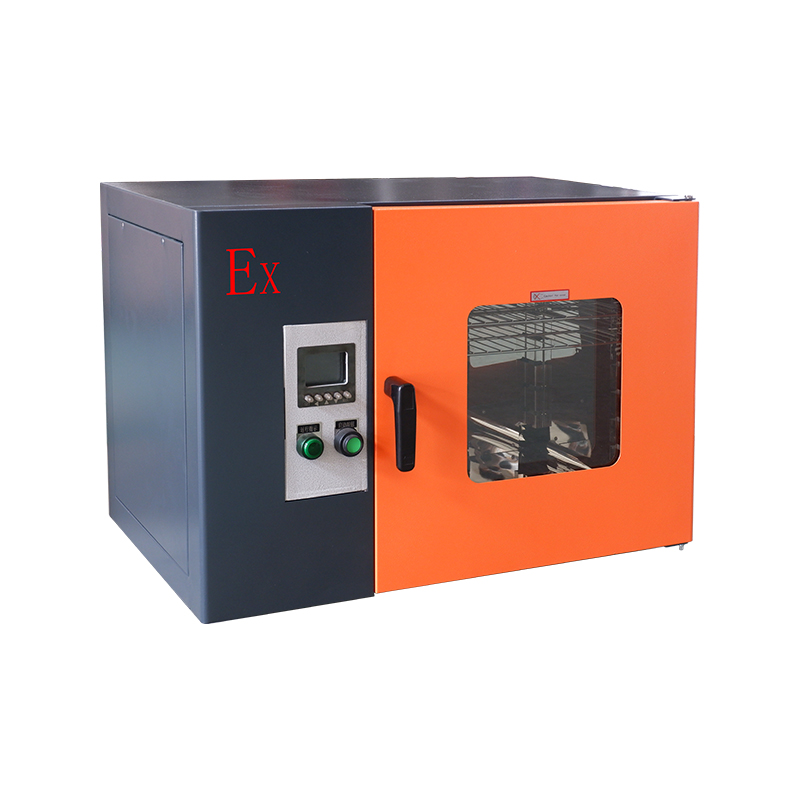



Industry News
Home / News / Industry News / Are Manufacturers Cutting Corners on Explosion-Proof Equipment to Reduce Costs?
Are Manufacturers Cutting Corners on Explosion-Proof Equipment to Reduce Costs?
Date:Feb 24, 2026
Content
- 1 The Growing Cost Pressure in Explosion-Proof Equipment Manufacturing
- 2 What Defines True Explosion-Proof Performance?
- 3 Common Areas Where Corners May Be Cut
- 4 Regulatory Standards That Prevent Compromises
- 5 Real Risks of Using Low-Quality Explosion-Proof Equipment
- 6 How Buyers Can Identify Reliable Manufacturers
- 7 Balancing Cost Efficiency with Safety Compliance
- 8 Future Trends in Explosion-Proof Equipment Manufacturing
- 9 Conclusion: Are Manufacturers Really Cutting Corners?
The Growing Cost Pressure in Explosion-Proof Equipment Manufacturing
Explosion-Proof Instruments and Explosion-Proof Equipment are critical components in hazardous industrial environments such as oil and gas, chemical processing, mining, pharmaceuticals, and grain handling facilities. These environments contain flammable gases, vapors, or combustible dust that can ignite if equipment fails to meet strict safety standards. However, increasing global competition, supply chain fluctuations, and raw material costs have created significant pricing pressure on manufacturers.
As companies seek to remain competitive, concerns have emerged regarding whether some manufacturers are cutting corners to reduce production costs. While many reputable manufacturers continue to maintain strict compliance with safety standards, there are cases where compromised materials, insufficient testing, or inadequate certification processes can introduce risks. Understanding where cost reductions may occur and how to identify quality equipment is essential for buyers and safety engineers.
What Defines True Explosion-Proof Performance?
Explosion-Proof Equipment is designed to contain internal explosions and prevent ignition of surrounding hazardous atmospheres. The equipment does not necessarily prevent explosions internally but ensures that any ignition occurring inside the enclosure cannot propagate to the external environment.
Key engineering characteristics include:
- Robust enclosure construction capable of withstanding internal pressure.
- Flame paths designed to cool escaping gases below ignition temperature.
- High-quality sealing systems to prevent ingress of hazardous substances.
- Thermal management to avoid excessive surface temperatures.
When manufacturers reduce costs improperly, these fundamental protective mechanisms may be compromised, significantly increasing safety risks.
Common Areas Where Corners May Be Cut
Material Quality Reduction
One of the most concerning cost-cutting practices involves substituting lower-grade metals or thinner enclosure walls. Explosion-Proof Instruments require precise tolerances and structural strength to withstand explosive forces. Using inferior alloys or insufficient wall thickness reduces containment capability and durability.
Simplified Manufacturing Processes
Machining flame paths and threaded joints requires precision manufacturing. Some manufacturers may reduce machining time or skip finishing steps to lower production costs, which can compromise flame path effectiveness. Even small deviations can significantly impact safety performance.
Insufficient Testing and Certification
Proper Explosion-Proof Equipment must undergo rigorous testing, including pressure testing, temperature rise testing, and ingress protection verification. Cutting costs by minimizing testing frequency or relying on outdated certifications can result in non-compliant products entering the market.
Lower-Quality Electrical Components
Internal components such as wiring, connectors, and sensors also influence safety. Cheap electrical parts may overheat, spark, or fail prematurely, increasing ignition risk even if the enclosure itself is well-designed.
Regulatory Standards That Prevent Compromises
International standards exist specifically to ensure Explosion-Proof Instruments maintain consistent safety performance. Compliance with these standards significantly reduces the likelihood of cost-cutting compromises.
| Standard | Region | Purpose |
| ATEX | Europe | Equipment certification for explosive atmospheres |
| IECEx | International | Global compliance system for hazardous locations |
| UL / NEC | North America | Electrical safety and hazardous area classification |
| CSA | Canada | Certification for hazardous environment equipment |
Products lacking recognized certifications or using questionable documentation should be carefully evaluated before purchase.
Real Risks of Using Low-Quality Explosion-Proof Equipment
The consequences of compromised Explosion-Proof Equipment can be severe, including catastrophic explosions, facility damage, environmental contamination, injuries, or fatalities. Even minor equipment failures can cause operational downtime, regulatory penalties, and reputational damage.
Industries with combustible materials face particularly high risks because ignition sources may not be immediately detectable. Equipment reliability becomes the primary safety barrier between hazardous substances and catastrophic incidents.
- Unexpected ignition due to overheating components.
- Structural failure during internal explosion events.
- Ingress of flammable gases due to poor sealing.
- Reduced lifespan leading to hidden maintenance risks.
How Buyers Can Identify Reliable Manufacturers
Purchasing teams and engineers play a critical role in preventing safety compromises. Evaluating manufacturers beyond price is essential when selecting Explosion-Proof Instruments.
Verify Certifications and Documentation
Ensure certifications are valid, current, and issued by recognized bodies. Cross-check certification numbers with official databases whenever possible.
Assess Manufacturing Capabilities
Manufacturers with advanced machining equipment, quality control systems, and testing laboratories are more likely to maintain consistent product standards.
Review Material Traceability
Reliable Explosion-Proof Equipment manufacturers maintain material certificates and traceability records to verify component integrity.
Evaluate Industry Experience
Companies with long-term experience in hazardous area equipment typically have stronger engineering knowledge and established quality procedures.
Balancing Cost Efficiency with Safety Compliance
Cost reduction does not always mean compromised safety. Many manufacturers achieve efficiency through automation, improved supply chain management, and optimized design rather than cutting safety-critical features. Buyers should distinguish between legitimate cost optimization and dangerous shortcuts.
Long-term value analysis often reveals that investing in high-quality Explosion-Proof Instruments reduces maintenance costs, downtime, and replacement frequency, resulting in better overall financial performance.
Future Trends in Explosion-Proof Equipment Manufacturing
Technological advancements are improving both safety and cost efficiency in Explosion-Proof Equipment. Innovations include advanced composite materials, smart monitoring systems, and predictive maintenance sensors that enhance reliability without compromising protection.
Digital quality control and automated testing systems are also helping manufacturers maintain compliance while reducing production costs. These trends suggest that responsible manufacturers can remain competitive without sacrificing safety standards.
Conclusion: Are Manufacturers Really Cutting Corners?
While most reputable manufacturers prioritize safety and compliance, the risk of cost-driven compromises does exist in highly competitive markets. Buyers must remain vigilant by verifying certifications, evaluating manufacturing quality, and prioritizing reliability over short-term cost savings.
Explosion-Proof Instruments and Explosion-Proof Equipment are not ordinary industrial products; they are critical safety barriers that protect lives, assets, and environments. Choosing trusted manufacturers and adhering to recognized standards ensures that cost efficiency never comes at the expense of safety.

Send Message
Recommended Products
Products provided by famous enterprises are deeply trusted by users.
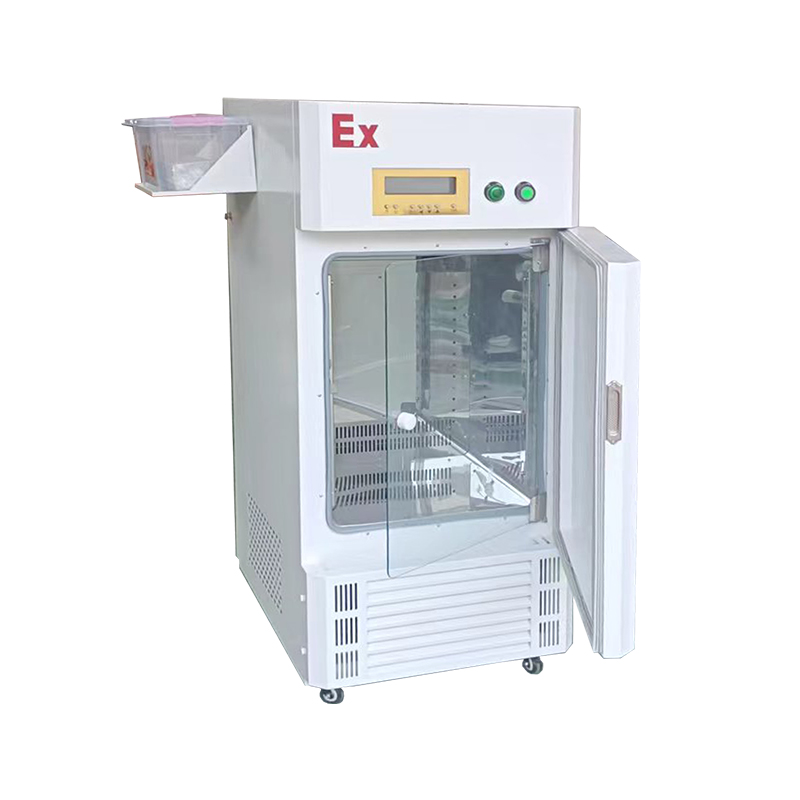
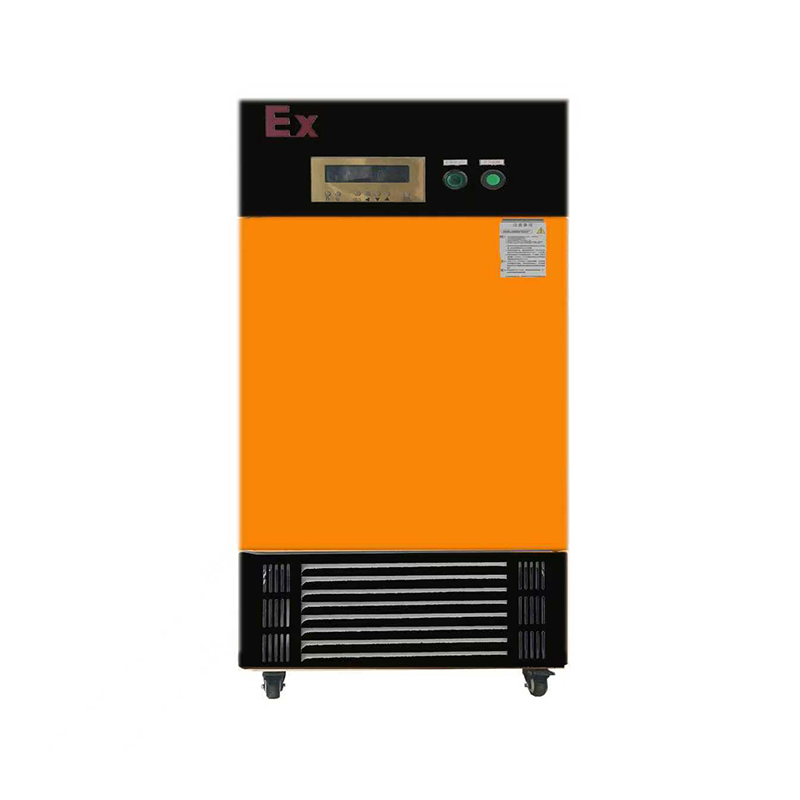
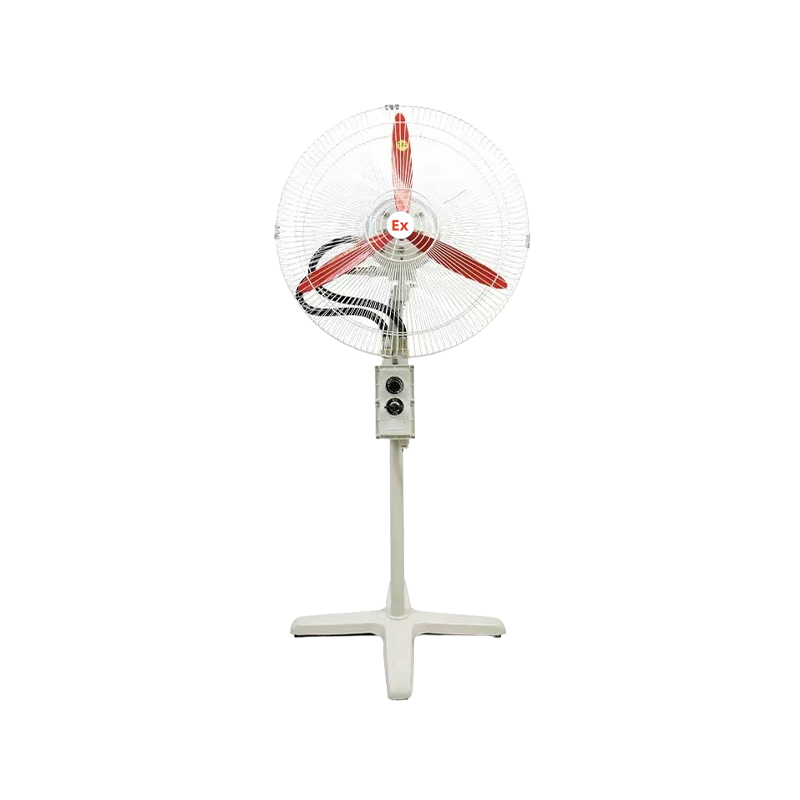

- CONTACT
-
- No. 119, Qingliang Avenue, Yaozhuang Town, Zhejiang, China.
- [email protected] ( Email )
- +86-13671719019 ( Phone )
- +86-021-57440136 ( Tel )
- PRODUCT
-
- Drying Oven Series
- Vacuum Box Series
- Explosion-proof Series
- High-temperature Furnace Series
- Incubator Series
- Test Chamber Series
- Other Series
- Forced Air Drying Oven
- Resistance Furnace
- Vacuum Tube Furnace
- Mold Incubator
- Vacuum Atmosphere Furnace
- Biochemical Incubator
- Carbon Dioxide Incubator
- Explosion-Proof Vacuum Drying Oven
- High and Low Temperature Test Chamber
- MOBILE
Copyright ©
Shanghai Dengsheng Instrument Manufacturing Co., Ltd.
All Rights Reserved. Laboratory Equipment Manufacturers

 Back to Top
