
 Español
  عربى
عربى 



Industry News
High Temperature Furnace: Types, Uses & Selection Guide
Date:Jul 01, 2026
Content
Defining the Role of High Temperature Processing
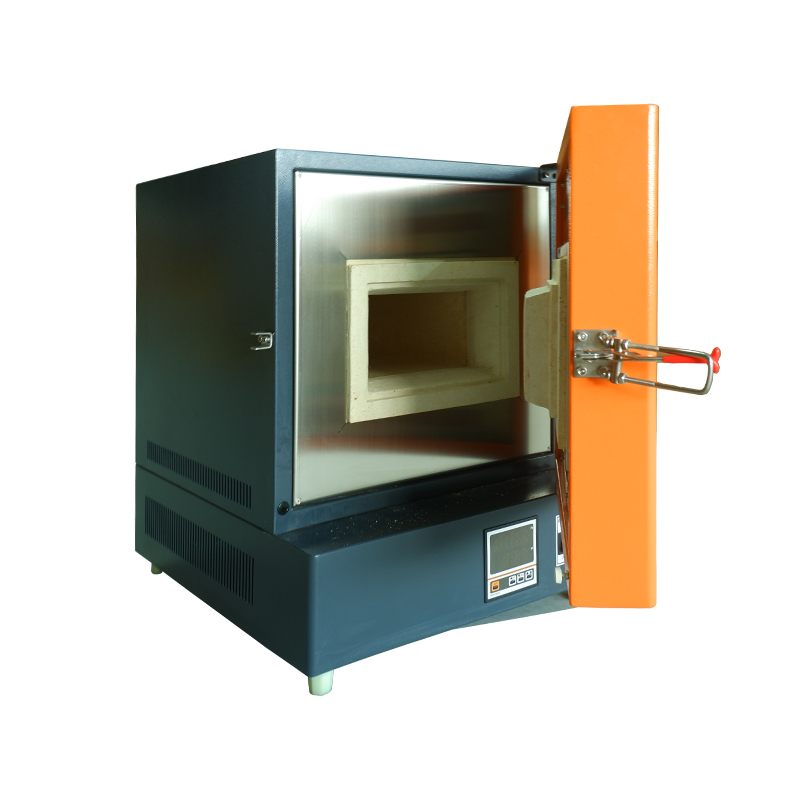
A high temperature furnace is an essential thermal processing unit designed to achieve and maintain temperatures typically exceeding 1000°C (1832°F), with advanced models reaching up to 1800°C (3272°F) or higher. These systems are critical in industries such as metallurgy, ceramics, aerospace, and semiconductor manufacturing, where precise heat treatment alters the physical and chemical properties of materials. Unlike standard ovens, high temperature furnaces utilize specialized heating elements and refractory insulation to withstand extreme thermal stress while ensuring uniform heat distribution.
The primary value of these furnaces lies in their ability to facilitate processes like sintering, annealing, calcination, and ashing. By providing a controlled environment free from contamination, they enable the production of high-performance alloys, dense ceramic components, and pure analytical results. Selecting the right furnace requires a deep understanding of thermal dynamics, material compatibility, and energy efficiency to meet specific industrial or laboratory standards.
Core Heating Technologies and Element Materials
The performance ceiling of any high temperature furnace is determined by its heating element material. Different materials offer varying maximum temperature limits, atmospheric resistance, and lifespans. Choosing the correct element type is crucial for operational longevity and cost-effectiveness.
Metallic vs. Ceramic Elements
Metallic elements, such as Kanthal (FeCrAl) and Molybdenum Disilicide (MoSi2), are common in mid-to-high range applications. Kanthal is cost-effective and robust up to 1400°C, while MoSi2 can operate in oxidizing atmospheres up to 1800°C. For ultra-high temperatures, non-metallic elements like Silicon Carbide (SiC) or Tungsten are employed, though they often require protective atmospheres to prevent oxidation.
| Element Material | Max Temp (Air) | Key Characteristic |
|---|---|---|
| Kanthal (FeCrAl) | 1400°C | Cost-effective, durable |
| Silicon Carbide (SiC) | 1600°C | High power density, aging resistant |
| Molybdenum Disilicide (MoSi2) | 1800°C | Oxidation resistant, brittle |
| Tungsten | 2200°C+ | Requires vacuum or inert gas |
Insulation Systems and Energy Efficiency
Efficient thermal insulation is vital for maintaining temperature uniformity and reducing energy consumption in a high temperature furnace. Modern designs have shifted from traditional brick linings to lightweight ceramic fiber modules. These fibers have low thermal mass, allowing for faster heating and cooling cycles, which is particularly beneficial for batch processing operations.
Advanced insulation systems often feature multi-layered constructions with reflective shields to minimize radiant heat loss. This not only lowers operating costs but also improves workplace safety by keeping the exterior surface temperature manageable. For laboratories requiring rapid turnover, ceramic fiber insulation can reduce cycle times by up to 40% compared to heavy refractory bricks, significantly boosting productivity.
Critical Applications Across Industries
The versatility of high temperature furnaces allows them to serve diverse sectors, each with unique requirements for atmosphere control and temperature precision.
- Ceramics and Powder Metallurgy: Sintering processes require precise temperature profiles to bond particles without melting, creating dense, strong components.
- Heat Treatment of Metals: Annealing, hardening, and tempering steel alloys rely on controlled heating and cooling rates to achieve desired mechanical properties.
- Research and Development: Universities and labs use muffle furnaces for ashing organic materials, calcining minerals, and testing material stability under thermal stress.
- Semiconductor Manufacturing: Diffusion and oxidation processes demand ultra-clean environments with tight temperature uniformity to ensure chip quality.
Selection Criteria and Safety Considerations
Choosing the right high temperature furnace involves evaluating several technical parameters beyond just maximum temperature. Users must consider the required working volume, heating rate, temperature uniformity, and atmospheric conditions (air, vacuum, or inert gas).
Safety Features and Compliance
Safety is paramount when operating equipment at extreme temperatures. Modern furnaces are equipped with multiple fail-safes, including over-temperature protection, thermocouple break detection, and door interlocks that cut power when opened. Proper ventilation is also critical, especially when processing materials that may release volatile compounds. Ensuring compliance with local electrical and safety standards, such as CE or UL certification, protects both personnel and infrastructure.
- Verify the maximum continuous operating temperature, not just the peak rating.
- Check temperature uniformity specifications (e.g., ±5°C) for critical applications.
- Ensure the controller supports programmable ramp-soak profiles for complex processes.
- Confirm compatibility with required atmospheres to prevent element degradation.
By carefully assessing these factors, organizations can invest in a high temperature furnace that delivers reliable performance, energy efficiency, and safety, supporting their long-term operational goals.
Send Message
Recommended Products
Products provided by famous enterprises are deeply trusted by users.

- CONTACT
-
- No. 119, Qingliang Avenue, Yaozhuang Town, Zhejiang, China.
- [email protected] ( Email )
- +86-13671719019 ( Phone )
- +86-021-57440136 ( Tel )
- PRODUCT
-
- Drying Oven Series
- Vacuum Box Series
- Explosion-proof Series
- High-temperature Furnace Series
- Incubator Series
- Test Chamber Series
- Other Series
- Forced Air Drying Oven
- Resistance Furnace
- Vacuum Tube Furnace
- Mold Incubator
- Vacuum Atmosphere Furnace
- Biochemical Incubator
- Carbon Dioxide Incubator
- Explosion-Proof Vacuum Drying Oven
- High and Low Temperature Test Chamber
- MOBILE
Copyright ©
Shanghai Dengsheng Instrument Manufacturing Co., Ltd.
All Rights Reserved. Laboratory Equipment Manufacturers

 Back to Top
